
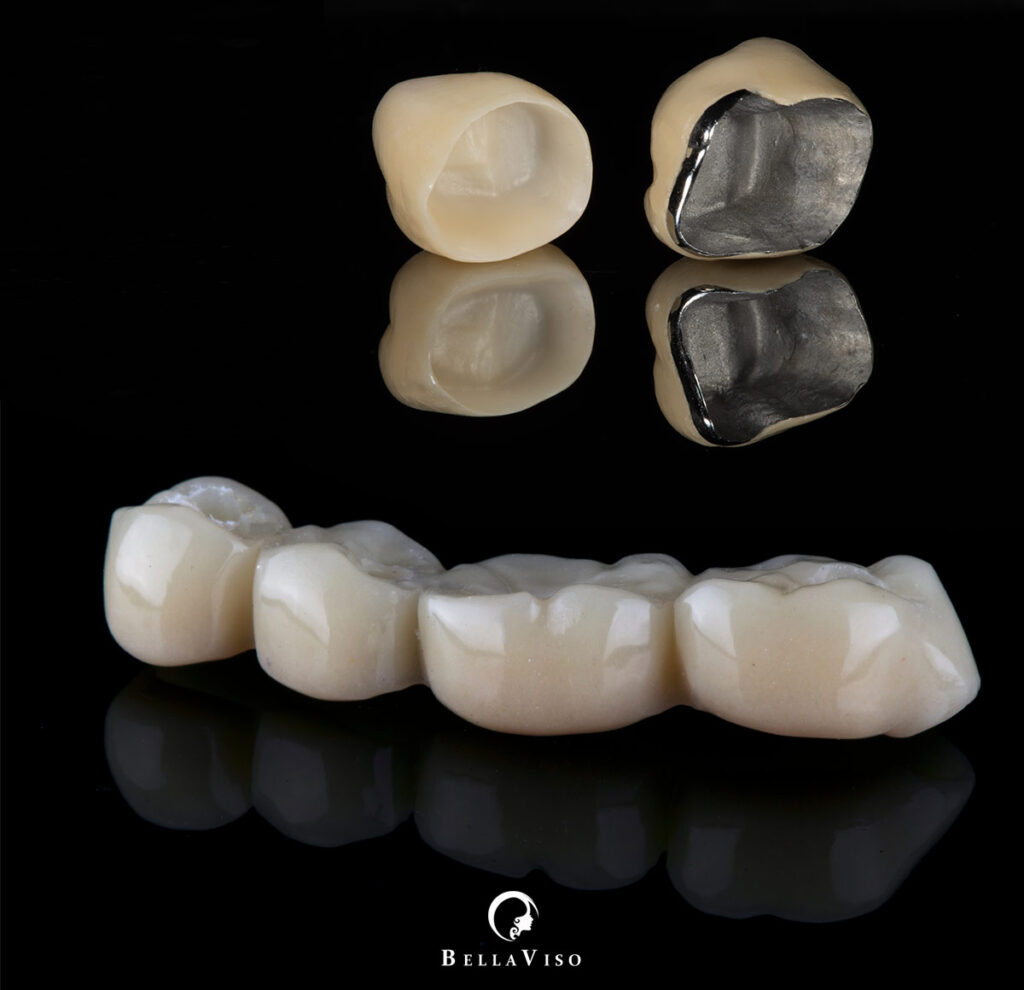
A dental crown is a restorative dental treatment designed to cover a damaged tooth, restoring its shape, size, strength, and appearance. In contrast, a dental bridge is a fixed (non-removable) dental appliance used to replace one or more missing teeth by anchoring artificial teeth to adjacent natural teeth or dental implants.
When are dental crowns and bridges recommended? Crowns are typically indicated for teeth that are fractured, have extensive wear, large cavities where a filling is insufficient, after root canal therapy, or to support a dental bridge. Bridges are recommended when one or more teeth are missing. https://bellavisomedicalcenter.ae/dentistry/dental-crowns-bridges/
Crowns can be crafted from various materials, including metals, alloys, ceramics, or a combination of these. The choice of material depends on several factors such as the tooth’s location, its function, visibility when smiling, and personal preference.
Similarly, bridges are commonly made from ceramic or porcelain materials due to their natural appearance and durability. Material selection for bridges also takes into account the placement in the mouth, functional requirements, aesthetics, and patient preferences.
The procedures for placing crowns and bridges are usually performed by a dentist or oral surgeon. Initially, the affected tooth or teeth are prepared, and precise impressions are taken to fabricate a custom fit for the crown or bridge.
After the fabrication, the dentist or oral surgeon fits the crown or bridge, checks for proper alignment and comfort, and then cements or bonds it securely in place.
With proper care, including diligent oral hygiene practices like brushing and flossing and regular dental checkups, crowns and bridges can last many years but may require replacement over time.
2. The Benefits of Dental Crowns and Bridges
If you are exploring options to restore your smile, understanding the benefits of dental crowns and bridges is crucial. Dental crowns restore the function and aesthetics of teeth damaged by decay, trauma, or wear. Bridges effectively replace missing teeth, restoring your oral functionality and appearance.
Crowns are custom-made from materials such as ceramic, porcelain, and metal to fit perfectly over existing teeth, improving the appearance of misshapen, discolored, or slightly crooked teeth. They also protect weak or damaged teeth from further decay and injury.
Bridges, fabricated from similar durable and natural-looking materials, are permanently fixed by bonding or cementing to neighboring teeth or implants. Unlike removable dentures, bridges provide stability, restore chewing and speaking functions, and enhance your smile’s overall aesthetics.
Key benefits of dental crowns and bridges include:
- Enhancing the appearance of your teeth
- Restoring chewing and speaking ability
- Protecting compromised or weakened teeth
- Preventing further tooth decay or injury
- Supporting dental implants for better stability
- Maintaining the natural shape and alignment of your teeth
Consult with your dentist to determine which solution best fits your dental needs and lifestyle.
3. Types of Dental Crowns and Bridges
Dental crowns and bridges come in several types, each suited for different dental situations and aesthetic preferences. Both procedures involve placing artificial crowns on natural teeth or implants to restore functionality and aesthetics.
The most common types of dental crowns include:
1. Porcelain Crowns
Porcelain crowns consist of a thin layer of porcelain bonded to a metal base. They offer excellent strength and durability while closely matching the natural color of your teeth, making them a popular choice for visible front teeth.
Porcelain crowns are ideal for patients with metal allergies or those seeking a highly natural appearance. However, they can be more costly and are prone to chipping or cracking under extreme pressure.
2. Composite Crowns
Composite crowns are made from a blend of plastic and ceramic materials. They can be color-matched to your surrounding teeth and generally cost less than porcelain crowns.
While composite crowns provide a satisfactory aesthetic solution, they are less durable and more susceptible to staining compared to porcelain options.
3. Metal Crowns
Metal crowns are fabricated from durable metals such as gold, silver, or platinum. They offer superior strength and longevity, making them suitable for molars that undergo significant chewing forces.
Although metal crowns are less natural in appearance, their resilience often makes them the best choice for back teeth. crowns.
Frequently Asked Questions (FAQs)
With proper care, including good oral hygiene and regular dental visits, crowns and bridges can last between 10 to 15 years or even longer.
The preparation for crowns and bridges is usually done under local anesthesia, minimizing discomfort. Some patients may experience mild sensitivity following the procedure.
No, crowns and bridges do not respond to traditional whitening treatments. It’s important to select the desired shade before fabrication.
Maintain excellent oral hygiene by brushing twice daily, flossing, and visiting your dentist regularly. Avoid chewing on hard objects to prevent damage.
Dental implants offer a more permanent solution and help preserve jawbone health, but bridges may be preferred based on cost, oral health, and specific clinical situations. Consult your dentist to determine the best option for you.