
Introduction
Ray Charles, often called “The Genius,” was a prominent figure in American music, renowned for his profound impact on the rhythm and blues genre. His unique ability to blend gospel, jazz, blues, and country music into his own style revolutionized the music industry. This article will dive into numerous challenges, from blindness and addiction to how Ray Charles died and how his legacy endures as one of the greatest musicians of all time.
| Category | Details |
| Real Name | Ray Charles Robinson |
| Popular Name | Ray Charles |
| Gender | Male |
| Birth Date | September 23, 1930 |
| Birth Place | Albany, Georgia |
| Age | 73 years |
| Height | 5 feet, 9 inches |
| Parents | Bailey Robinson and Aretha Robinson |
| Siblings | George |
| Nationality | American |
| Ethnicity | African American |
| Education | Florida School for the Deaf and the Blind |
| Marital Status | Married |
| Date of Death | June 10, 2004 |
| Place of Death | Beverly Hills, California |
| Net Worth | $75 million |
| How Ray Charles Died? | Liver Complications |
Ray Charles’ Health Struggles Leading Up to His Passing
Ray Charles, widely celebrated as one of the most influential figures in American music history, faced significant health challenges in the years preceding his death. Throughout his life, Charles dealt with the long-term effects of diabetes, a condition that eventually led to the amputation of both legs due to poor circulation.
His ongoing battle with this chronic illness underscored the profound physical toll it took on him long after his peak performance years. Despite these serious health issues, Charles continued to pursue his passion for music, performing and recording with the same intensity and emotional depth that defined his legacy. His experience highlights not only the personal struggles behind a brilliant career but also the impact of chronic disease on even the most iconic artists.
Early Life and Education
Ray Charles Robinson was born on September 23, 1930, in Albany, Georgia. He grew up in poverty during the Great Depression, and his early life was marked by tragedy. At the age of five, Ray witnessed the drowning of his younger brother, George. Shortly after, Ray began to lose his sight, likely due to glaucoma, and by the age of seven, he was completely blind.
Ray Charles’s musical talent was sparked at the age of 3 by Wylie Pitman’s Red Wing Café. Despite his blindness, Ray was determined to pursue music. He joined the Florida School for the Deaf and the Blind in St. Augustine from 1937 to 1945, where he learned to read and write music in Braille and became proficient in playing the piano, clarinet, and saxophone.
Early Career
When Charles was sixteen, he moved to Seattle, where he gave a 1940s performance with the McSon Trio with Charles on piano, McKee on guitar, and Milton Garred on bass. Together with the McSon Trio, he released his debut single, “Confession Blues,” in 1949. The song was successful on the R&B charts. “Kissa Me Baby” and “Baby Let Me Hold Your Hand” brought him more success on the R&B charts. Charles signed a record contract with Atlantic Records in 1953. Celebrating the release of his first R&B smash record under the label “Mess Around.”
Career Breakthrough
Ray Charles’ career took off in the 1950s when he signed with Atlantic Records. He quickly became known for his innovative fusion of different musical styles. His 1954 hit “I Got a Woman” is considered one of the first soul records, blending gospel and blues in a way that had never been done before.
Throughout the 1950s and 1960s, Ray Charles produced a string of hits that cemented his place in music history. Songs like “Hit the Road Jack, ” “What’d I Say,”, and “Georgia on My Mind” became classics. His ability to cross musical boundaries allowed him to appeal to a wide audience, and he became one of the first African American musicians to gain widespread popularity with white audiences.
Critical Acclaim: “The Genius”
His fellow musicians referred to Charles as “The Genius,” a good title for the musician who never focused on one style but instead merged and enhanced everything he touched. He also got the nickname ‘Father of Soul.’ Among friends and fellows, he was named ‘Brother Ray.’
Heroin Addiction During the Career
After his mother died when he was fifteen, Charles spent a year traveling the “Chitlin’ Circuit” around the South. He developed a passion for heroin while traveling. In 1964, Charles was arrested for the third time for heroin possession, which halted his career. He eventually kicked his habit at a Los Angeles clinic after agreeing to go to a therapeutic center rather than go to jail. Charles reappeared in the music industry following a year of parole in 1966.
How Ray Charles Died?
He had faced several health issues in his later years while still trying to indulge himself in the musical world.
Hip Replacement Surgery
Charles underwent a successful hip replacement surgery in 2003 and was about to resume touring when he started to experience more health issues.
Liver Complications
He started to experience liver failure complications, likely due to drug addiction. Though he had already gone through the procedure of kicking off the habit, the damage had already happened due to a long period of addiction. Liver failure complications led to his death on June 10, 2004, at the age of 73, at his home in Beverly Hills, California.
Ray Charles’s Net Worth
Ray Charles’ net worth was around $75 million at the time of his death. Ray Charles was one of the most renowned artists of the 20th century. His music career, filmography, producer roles, and philanthropic efforts earned him wealth.
Philanthropy and Influence on Musicians
In addition to his musical achievements, Ray Charles was actively involved in charitable work, establishing the Ray Charles Foundation to support education and resources for underprivileged children and visually impaired students. He also mentored young African American musicians, sharing his experience and guidance to help them navigate the challenges of the music industry. Through his philanthropy and personal involvement, Charles made a lasting impact not only on audiences but also on the communities and artists he supported.
An Outlook on Ray Charles’ Personal Life
Physical Appearance
- Age: 73 years
- Height: 5 feet, 9 inches
- Weight: 72 kg (160 pounds)
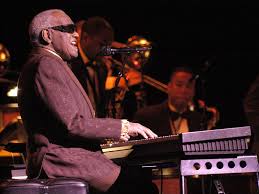
As a blind African American man, Ray Charles often wore dark sunglasses. His attire typically included sharp, tailored suits. His expressive face and smile, combined with his energetic movements while playing the piano, conveyed a deep connection to his music, making him a captivating performer.
Family
His parents were Bailey Robinson and Aretha Robinson. His mother raised Ray. He had a brother, George, who died of a tragic incident when he was 4.
Marriages and Children
Charles had married twice. His first marriage was with Eileen Williams, lasting less than a year. His second marriage was with Della Beatrice Howard Robinson. They had 3 children together. The marriage deteriorated after 22 years due to his drug addiction and extramarital affairs. Charles had many relationships with women throughout his life, and he fathered twelve children with them.
Chess hobby
Charles liked to play chess. In the course of his rehabilitation after quitting heroin, he saw Friedrich Hacker, a psychiatrist, who also taught him how to play chess. For the pieces, he used a unique board with raised squares and holes as he was blind.
Achievements and Legacy
Ray Charles’ influence on music cannot be overstated. He won 17 Grammy Awards during his lifetime, including the prestigious Lifetime Achievement Award. He was one of the first rookies into the Rock and Roll Hall of Fame in 1986. His rendition of “Georgia on My Mind” was adopted as the official state song of Georgia in 1979. Beyond his musical achievements, Ray Charles was a pioneer for artists’ rights. He negotiated a deal with ABC-Paramount Records in 1961, giving him ownership of his master recordings. This move set a precedent for future artists to gain greater control over their work.
Conclusion
It was heartbreaking how Ray Charles died. His death marked the end of an era, but his music and legacy continue to inspire generations of musicians and fans. He overcame immense personal challenges to become one of the most influential artists in American history. Ray Charles revolutionized the music industry and paved the way for future artists to take control of their creative destinies. His genius, resilience, and contributions to music will never be forgotten.
Apart from that if you want to know about “Queen Latifah Age: Explore her Career and success” then please visit our “Entertainment” Category.
FAQs
He died of liver failure complications, likely due to long-term drug addiction.
With his popular song “What’d I Say,” Charles achieved a No. 1 ranking on the R&B list and a No. 6 position on the pop chart, making his crossover into pop music possibly his greatest achievement.
He did work in films in 1974 when his musical career was declining. He appeared in several films, including Swingin, Ballad in Blue, and many more.
Artists often feel a deep emotional connection to their craft, and music can serve as a source of purpose, strength, and identity even during illness.
Chronic illness can limit mobility, endurance, and performance schedules, but many musicians continue creating and performing despite health challenges.