Introduction
Jake McNiece’s wife, born on May 24, 1919, in Maysville, Oklahoma, was a fearless World War II paratrooper best known for leading the legendary Filthy Thirteen. His daring missions and rebellious spirit made him a military icon, but behind his battlefield heroics was a man deeply devoted to his family.
Throughout his life, Jake McNiece’s wife, Martha Beam Wonders, stood by him, providing unwavering support until his passing on January 21, 2013, in Chatham, Illinois. While he died of natural causes at the age of 93, his legacy endures through his wartime contributions, books, and the lasting impact of his extraordinary life.
This article explores various aspects of McNiece’s life, including his relationships, military career, physical appearance, and lasting legacy.
| Category | Details |
| Full Name | Jake McNiece |
| Date of Birth | May 24, 1919 |
| Place of Birth | Maysville, Oklahoma, USA |
| Cause of Death | Natural causes |
| Date of Death | January 21, 2013 |
| Military Service | U.S. Army, 506th Parachute Infantry Regiment, 101st Airborne Division |
| Famous For | Leader of the Filthy Thirteen, WWII paratrooper |
| Combat Jumps | D-Day (Normandy), Operation Market Garden, Battle of the Bulge, Operation Varsity |
| Military Awards | Bronze Star Medal, Purple Heart, Combat Infantryman Badge, Parachutist Badge (4 combat jump stars), Legion of Honor (France), and more |
| Education | Ponca City High School (Graduated 1939) |
| Pre-Military Jobs | Road construction, Pine Bluff Arsenal (explosives work) |
| Physical Appearance | Height: 5’7″, Weight: 175 lbs, Athletic build |
| Family Heritage | Native American (Choctaw) and Irish descent |
| Jake Mcniece’s Wife | Rosita (Passed away in 1952) |
| Second Wife | Martha Beam Wonders (Married in 1953) |
| Children | Two sons and one daughter |
| Post-War Career | Worked for the U.S. Postal Service for 28 years |
| Books | The Filthy Thirteen: From the Dustbowl to Hitler’s Eagle’s Nest |
Early Life and Background
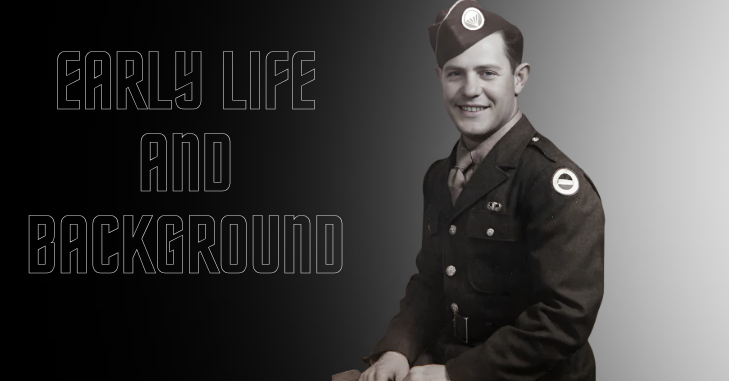
Jake McNiece was born in Maysville, Oklahoma, on May 24, 1919. Growing up during the Great Depression, he developed resilience and toughness that would later define his military career. Raised in a family of Native American and Irish descent, McNiece learned the values of hard work and perseverance at an early age.
Before joining the military, he worked in various manual labor jobs and exhibited a rebellious streak that foreshadowed his leadership in the Filthy Thirteen.
Education and Early Work
McNiece graduated from Ponca City High School in 1939. After graduation, he worked in road construction and later at the Pine Bluff Arsenal, where he gained valuable experience with explosives that would serve him well in his military career.
Military Career
Enlistment and Training
On September 1, 1942, McNiece enlisted in the U.S. Army and volunteered for paratrooper duty. He was assigned to the 506th Parachute Infantry Regiment, which would later become part of the renowned 101st Airborne Division.
The Filthy Thirteen
McNiece gained fame as the leader of the Filthy Thirteen, a demolition unit known for their unorthodox behavior and fierce fighting skills. The unit’s nickname came from their disregard for military discipline and personal hygiene, traits that paradoxically made them highly effective in combat.
Combat Jumps and Missions
Throughout World War II, McNiece participated in four combat jumps:
- D-Day (June 6, 1944): Normandy Invasion
- Operation Market Garden (September 1944): Netherlands
- Battle of the Bulge (December 1944): Bastogne
- Operation Varsity (March 1945): Germany
During these missions, McNiece displayed exceptional leadership and courage, often in the face of overwhelming odds.
Promotions and Demotions
McNiece’s military career was marked by frequent promotions due to his combat effectiveness, followed by demotions for his rebellious behavior. Despite this, he ended the war as an acting first sergeant, a testament to his leadership abilities in combat.
Physical Appearance and Perso
- · Jake McNiece had an imposing physical presence and distinctive appearance.
- · Height: 5 feet 7 inches.
- · Weight: 175 pounds.
- · Described as “solid muscle” with no visible fat.
- · Athletic build developed through wrestling and football in high school.
The Mohawk and War Paint
Perhaps the most iconic image of McNiece and his Filthy Thirteen comes from their preparation for the D-Day jump. McNiece, drawing on his part-Choctaw heritage, decided to cut his hair into a mohawk and apply war paint to his face.
This ritual, captured by Army photographers, symbolized the unit’s fierce determination and unconventional approach to warfare.
Jake Mcniece’s Wife and Family Life

First Marriage
McNiece’s first wife was Rosita, though little is known about their relationship. Sadly, Rosita passed away in 1952.
Second Marriage
In 1953, McNiece married Martha Beam Wonders. This marriage proved to be long-lasting and stable, continuing until McNiece died in 2013. Together, they had two sons and a daughter.
The Human Side of a War Hero
Beyond his legendary combat feats, Jake McNiece was known for his humility and dedication to those around him. Fellow soldiers often spoke of his loyalty and willingness to place himself in harm’s way to protect his men, a trait that earned him deep respect despite his rebellious demeanor.
At home, McNiece valued family life and sought stability after the chaos of war, finding solace in his marriage to Martha Beam Wonders and the upbringing of their children.
Post-War Life and Career
After his discharge from the military in February 1946, McNiece returned to civilian life. In 1949, he moved back to Ponca City, Oklahoma, where he began a 28-year career with the United States Postal Service.
Books and Media Appearances
“The Filthy Thirteen”
In 2003, McNiece co-authored “The Filthy Thirteen: From the Dustbowl to Hitler’s Eagle’s Nest—The True Story of the 101st Airborne’s Most Legendary Squad of Combat Paratroopers” with historian Richard Killblane. This book provides a firsthand account of McNiece’s wartime experiences and the exploits of the Filthy Thirteen.
Other Publications
McNiece’s stories also appear in other books, including “Fighting With the Filthy Thirteen” and “War Paint: The Filthy Thirteen Jump Into Normandy”.
Media Inspiration
The exploits of McNiece and the Filthy Thirteen inspired the 1965 novel and 1967 film “The Dirty Dozen.” While the film took significant liberties with the story, it helped cement the unit’s place in popular culture.
Later Years and Recognition
McNiece became a celebrity among World War II enthusiasts in his later years. He toured the United States and Europe, sharing his wartime experiences with younger generations.
Awards and Honors

McNiece received numerous military awards for his service, including:
- Combat Infantryman Badge
- Parachutist Badge with four combat jump stars
- Pathfinder Badge
- Bronze Star Medal with Combat “V” and three oak leaf clusters
- Purple Heart with oak leaf cluster
- Good Conduct Medal
- American Campaign Medal
- European-African-Middle Eastern Campaign Medal with arrowhead device and four campaign stars
- World War II Victory Medal
- Army of Occupation Medal with “Germany” clasp
- Chevalier of the Legion of Honor (France)
In 2012, just a year before his death, McNiece was awarded the French Legion of Honour in the Chevalier class, a high honor recognizing his contributions to the liberation of France.
Cause of Death and Legacy
Jake McNiece died on January 21, 2013, in Chatham, Illinois, at 93. While the exact cause of death is not specified in the available sources, he likely died of natural causes, given his advanced age.
Legacy
McNiece’s legacy lives on through the books he co-authored, the soldiers he inspired, and his fascination with the Filthy Thirteen. His life story exemplifies the complex nature of heroism, showcasing how unconventional and even rebellious individuals can make significant contributions in times of war.
Conclusion
Jake McNiece’s life was one of contrasts – a rebellious soldier who became an effective leader, a troublemaker who earned high military honors, and a fierce warrior who transitioned to a quiet post-war life.
His story, particularly his leadership of the Filthy Thirteen, continues to captivate military historians and World War II enthusiasts alike. From his early days in Oklahoma to his daring parachute jumps over Nazi-occupied Europe, McNiece’s journey is a testament to the diverse and often unexpected forms that courage and leadership can take in times of war.
Apart from that if you want to know about “RJ Barrett’s Net Worth” then please visit our “Entertainment” Category.
FAQs
He was best known for leading the Filthy Thirteen, a unit recognized for their unconventional behavior and bravery in combat, particularly during the D-Day invasion.
The group earned its nickname due to its lack of military discipline, refusal to bathe regularly, and rebellious nature. However, they were highly skilled and fearless in battle.
Yes, Jake McNiece was married twice. His first wife, Rosita, passed away in 1952. He married Martha Beam Wonders in 1953 and remained together until his death.
Yes, he and Martha had two sons and a daughter.