
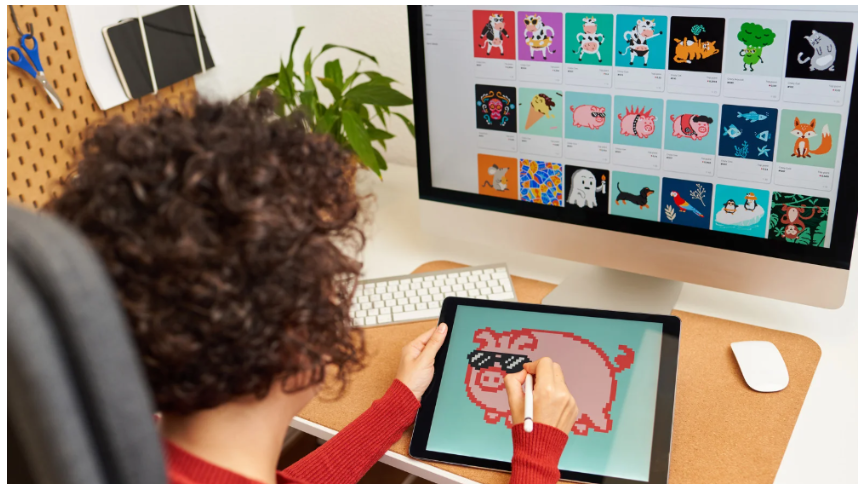
In an era where visual communication drives audience engagement, digital illustrators in Fort Lauderdale are setting new benchmarks in creative excellence. They combine artistic intuition with technical expertise to craft visuals that are not only aesthetically compelling but strategically impactful. Typography, often overlooked by amateurs, serves as a cornerstone for conveying tone, hierarchy, and brand personality. When wielded by a skilled digital illustrator, it transforms visual design into a cohesive narrative experience that captivates and informs simultaneously.
Understanding the Relationship Between Illustration and Typography
Typography is more than just selecting fonts; it’s a design language that shapes perception. In professional digital illustration, typography harmonizes imagery with message, guiding viewers’ attention and reinforcing emotional resonance. A proficient illustrator understands that every curve, serif, and alignment contributes to storytelling.
Through strategic placement and thoughtful integration, typography amplifies the illustrator’s visual message, ensuring design consistency across various media, from digital campaigns to editorial layouts. When typography complements illustration, it strengthens communication clarity and fosters a seamless visual rhythm that defines brand identity.
Merging Artistry with Technical Precision
The modern illustrator operates at the intersection of creativity and precision. They must balance the expressive qualities of illustration with the structured nature of typography. This duality requires a mastery of composition, spacing, and contrast, skills refined through years of professional training and experience.
For instance, understanding the art of digital illustration techniques and inspiration equips illustrators with the knowledge to experiment fearlessly. By integrating layered typography within complex visuals, they achieve designs that are not just visually appealing but also intellectually stimulating. This blend of inspiration and structure is what elevates a project from functional design to visual storytelling excellence.
Typography also serves as a design anchor, guiding visual hierarchy. When paired with illustration, it dictates the viewer’s reading flow and emotional engagement. Whether emphasizing a brand slogan or adding texture to a visual narrative, typography enhances depth and balance within digital compositions.
Elevating Brand Communication Through Typography
Corporate brands increasingly recognize the value of illustration-driven design. Digital illustrators employ typography to establish a brand voice, modern, playful, authoritative, or sophisticated. Each typographic decision reflects the brand’s ethos, ensuring that visual materials are not only eye-catching but also strategically aligned with business objectives.
In professional design environments, illustrators collaborate closely with marketing strategists, UX designers, and creative directors. Their role extends beyond aesthetics; they translate complex messages into visual systems that drive consumer perception and retention. By integrating typography into digital illustrations, they help brands communicate with precision, emotion, and authenticity.
The Future of Visual Design in a Digital World
As technology continues to evolve, so does the field of digital illustration. Artificial intelligence, motion typography, and interactive visuals are redefining how audiences engage with design. Illustrators who adapt to these advancements by merging traditional artistry with digital fluency will continue to dominate creative industries.
Typography will remain a critical differentiator in this progression. Its ability to evoke emotion, establish clarity, and guide storytelling ensures that it will never lose relevance. The synergy between text and illustration will shape the future of brand communication and digital artistry alike.
Conclusion
Digital illustrators are at the forefront of redefining how typography influences modern visual design. Their ability to blend artistic creativity with typographic precision enables them to craft designs that transcend aesthetics and deliver strategic impact. Every typographic element becomes part of a larger story, one that communicates value, evokes emotion, and strengthens brand identity.
Incorporating typography into digital illustration is not just a technical skill; it’s an art form that demands creativity, discipline, and foresight. As the digital landscape expands, illustrators who master this synthesis will continue to elevate the standards of professional design, inspiring both innovation and excellence across creative industries.