
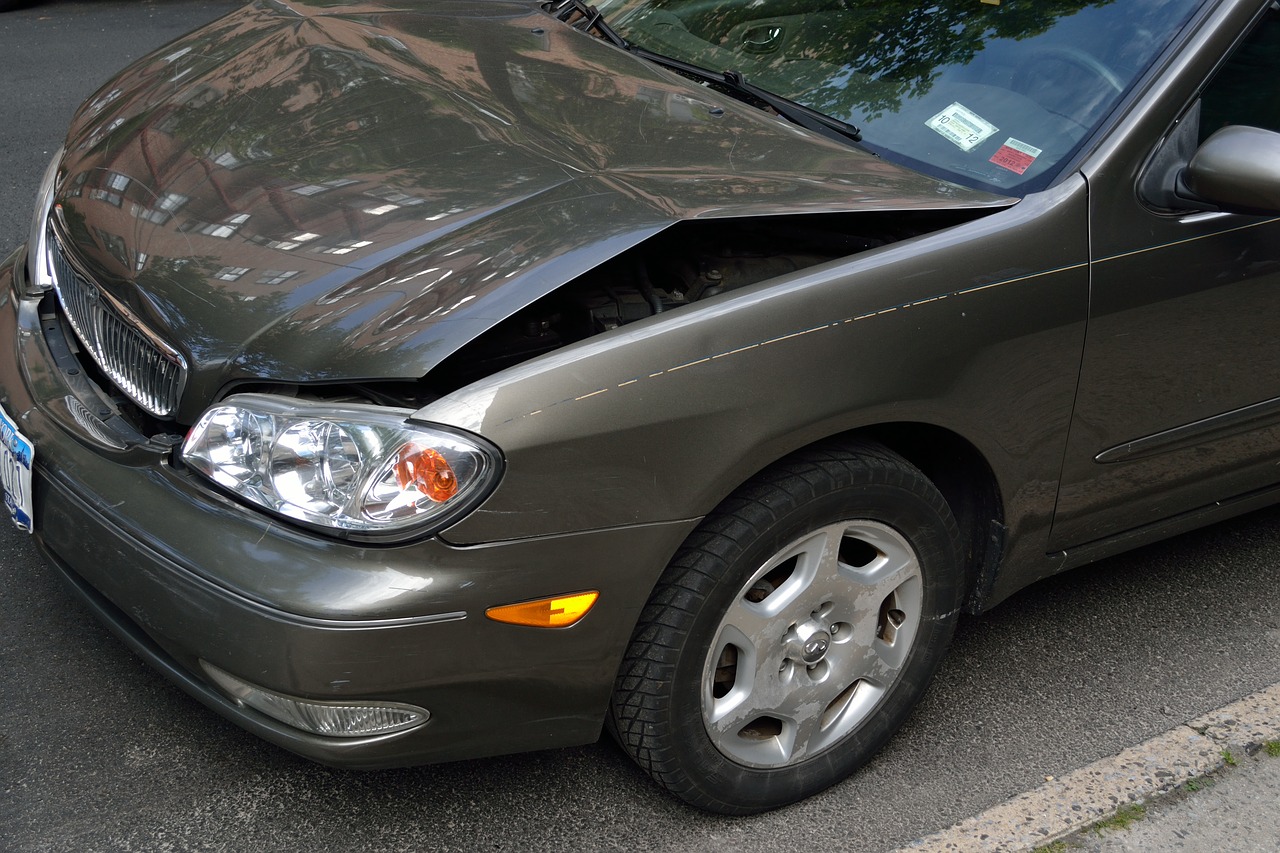
You probably don’t think much about dents until one suddenly appears on your car. Whether it’s a door ding from a busy parking lot, a mysterious dent showing up overnight, or a big impact from a runaway shopping cart, dents can be frustrating. For a closer look, see US Constitution Amendments Explained.
It’s easy to shrug them off, but dents often indicate the severity of the impact your car has experienced. Some dents are purely cosmetic, while others may signal deeper structural damage that could lead to costly repairs.
Understanding the difference between minor and serious dents can save you money and, more importantly, ensure your vehicle remains safe to drive.
Not All Dents Are the Same — And That Matters
A dent isn’t just a dent. Its shape, depth, and location reveal the force behind the impact—and if your car needs more than just a simple repair. Here are the different types of dents and what they imply:
Sharp Dents
Sharp dents occur when a pointed object strikes your car, like a flying rock or someone swinging their car door into yours. These dents stretch the metal outward, creating a raised area around the impact point.
If the paint remains intact, repairs are easier. However, cracked paint typically requires repainting to prevent rust and corrosion.
The cost of a car paint job for sharp dents varies widely, depending on damage severity. For a detailed pricing guide, see StormWise, a leading auto hail repair operator in the U.S., famed for its top-rated Denver location specializing in collision and dent repair.
Quick tip: Run your fingers over the dent. A raised edge means metal stretch, making repair more complex than a simple push-out.
Creased Dents
Creased dents result from a sharp object scraping across the vehicle, leaving a deep fold in the metal. Examples include low-hanging tree branches brushing a hood, bicycle handlebars scraping a door, or close encounters with concrete pillars in tight parking spots.
These dents are difficult to repair because the metal folds over itself and doesn’t easily pop back. Even Paintless Dent Repair (PDR) requires an expert technician to avoid metal distortions. If the paint is damaged, a body shop repair is likely necessary, increasing costs.
Quick tip: View the dent from multiple angles. A visible sharp line indicates a crease, signaling a more intensive repair.
Round Dents
Round dents occur from impacts with soft or rounded objects, such as a basketball, a stray elbow, or even hailstones. These dents usually make direct, even contact with the surface.
These dents are generally the easiest to fix with PDR since the metal isn’t stretched in several directions. However, multiple small round dents from hail damage can drive repair costs higher.
Quick tip: Press gently on the center. If it flexes, it may be repaired by PDR; a rigid dent suggests a stronger impact requiring more extensive repair.
Extreme Dents
Extreme dents are severe and often caused by hit-and-runs, falling objects, or animal collisions. The metal is heavily bent and may include multiple creases, cracked paint, or misaligned panels.
These signs may indicate underlying structural damage. If a dent causes doors, trunks, or hoods to misalign or fail to close properly, deeper frame or support damage is likely.
Quick tip: Step back and inspect gaps between body panels. Misalignment suggests significant structural issues beyond the surface dent.
Cosmetic or Structural? How to Tell
Knowing whether a dent is cosmetic or structural is vital. Here’s how to assess it yourself:
- Push test: If the dent flexes when pressed, it’s probably cosmetic.
- Paint cracks: Cracked or chipped paint can lead to rust and worsening damage.
- Panel alignment: Difficulty closing or misaligned panels may indicate frame or support damage.
- Noise test: Any creaking or popping sounds when pressing the dent suggest metal stretching and more complex repairs.
Why Fixing Dents Early Matters
Ignoring dents may seem harmless initially, but delayed repairs often lead to worse problems:
1. Paint Damage Leads to Rust
A small paint crack lets moisture seep in, causing rust under the surface. What might have been a quick, affordable Paintless Dent Repair (PDR) can escalate into costly bodywork and repainting.
Action: If you notice paint damage, seal it promptly—even if you postpone dent repair.
2. Structural Damage Worsens Over Time
Deep creases or extreme dents weaken metal integrity. Vibrations from driving can exacerbate the damage, making repairs more complex and expensive later. Frame involvement can cause alignment issues long-term.
Action: Should a dent affect door, hood, or trunk closing, have it inspected immediately.
3. Resale Value Declines
Visible dents suggest neglect, causing buyers to suspect unseen damage and either offer less or avoid purchasing.
Action: Planning to sell your car? Invest in PDR or repairs to maximize resale value.
Finding the Right Auto Body Repair Shop
Selecting the right repair shop depends on your dent type and local environmental factors like weather, which affect metal and paint durability.
When choosing a shop, consider asking:
- Do you specialize in Paintless Dent Repair (PDR) to avoid unnecessary painting?
- Do you assess potential structural or framework damage?
- What is included in your repair estimate? Are dent removal and paint repair costs separate?
- Do you offer guarantees or warranties on your repairs?
Final Thoughts: Listen to What Your Car Is Telling You
Dents provide important signals about your car’s condition beyond surface appearance. They may indicate hidden structural issues that impact safety and vehicle value if left untreated.
Address dents quickly by understanding their nature and choosing appropriate repairs. Prompt action protects your investment, ensures your car’s safety, and avoids costly future expenses.
If you’re interested in learning more about “the Legacy of the 2011 Hyundai Sonata”, be sure to visit our Automobile category for more detailed information.
Frequently Asked Questions (FAQs)
Costs vary depending on dent size, depth, and location but generally range from $75 to $150 per dent. Multiple dents or severe damage increase prices. For detailed estimates, consult a specialist like StormWise.
No. Minor dents where paint remains intact usually qualify for Paintless Dent Repair (PDR). Dents with paint cracks, deep creases, or stretched metal typically require traditional bodywork and repainting.
Minor cosmetic dents that don’t affect panel alignment or function are safe. However, dents causing misaligned panels or structural damage can compromise vehicle safety and should be inspected promptly.
Park in less crowded areas, avoid tight parking spaces, and use garages when possible. Protective accessories like car covers and door edge guards also help minimize dents.
Paintless Dent Repair often takes a few hours to a day, depending on dent complexity. Traditional bodywork and repainting may take several days. Confirm timelines with your chosen repair shop.