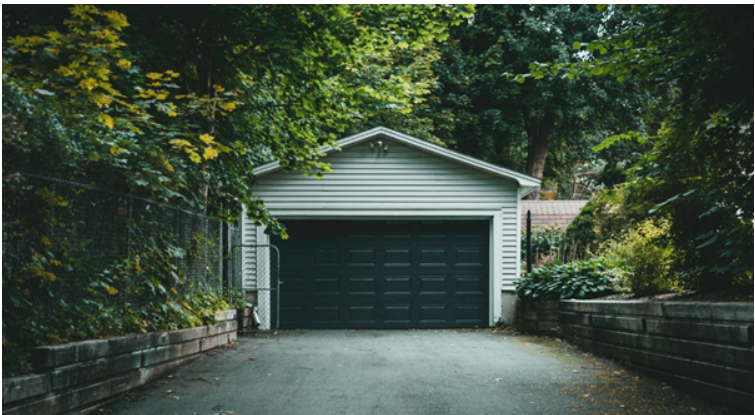
A noisy garage door can quickly escalate from a minor irritation to a significant concern, signaling underlying mechanical issues that require professional attention. Whether it’s rattling, squeaking, or grinding, these sounds often indicate wear, misalignment, or insufficient maintenance. For homeowners seeking dependable garage door repair in Troy, understanding the root cause of these noises is the first step toward preventing long-term damage and costly repairs.
Identifying the Source of Garage Door Noises
Different types of sounds point to various mechanical issues. A squeaking noise may come from dry rollers or hinges that need lubrication, while grinding or scraping often signals misaligned tracks. Popping noises typically stem from worn-out torsion springs, which require immediate professional inspection. Ignoring these sounds can cause components to wear out faster and strain the opener motor, leading to a complete system failure.
Before calling a technician, it’s essential to observe where the sound originates, whether from the tracks, rollers, springs, or opener. This information can help professionals diagnose and resolve the problem efficiently.
Common Causes of Noisy Garage Doors
Garage doors operate through numerous moving parts, each of which is susceptible to wear over time. Accumulated dirt, loose hardware, or improper tension are among the most frequent culprits. For instance, bolts and nuts can loosen with repeated use, causing the door to rattle against the frame. Metal rollers are another common source of noise, especially if they’ve become corroded or lost lubrication. Upgrading to nylon rollers can significantly reduce sound levels and extend operational life. Hinges may also crack or warp, producing squeaks as the panels bend during operation.
Understanding common issues about garage door repair helps explain how different components function and allows homeowners to identify early warning signs before they escalate into costly issues. Knowing these fundamentals also enables you to communicate more effectively with technicians, ensuring faster, more accurate service when professional repairs are required.
Preventive Maintenance for Quieter Operation
Routine maintenance is key to preventing garage door noise issues from escalating. Regularly tightening bolts, lubricating metal components, and checking spring tension can maintain smooth operation. However, while these simple actions may temporarily quiet minor issues, ongoing professional maintenance is essential for long-term performance.
Technicians can inspect and fine-tune every component, ensuring that tension levels, track alignment, and opener force are correctly balanced. They also check for fraying cables or weakening springs that may not yet show audible signs of damage. Scheduling professional maintenance at least once a year is a proactive way to avoid unexpected malfunctions.
When to Seek Professional Assistance
Persistent noise despite basic upkeep is a clear sign that something more serious is wrong. If your garage door emits grinding or popping sounds, it could indicate worn bearings, broken springs, or an unbalanced system, all of which can pose safety hazards. Attempting to adjust or replace these components without proper training is risky and may worsen the problem.
Professionals not only eliminate the noise but also prevent further damage by addressing root causes. They can replace faulty parts with high-quality components, properly balance the system, and recalibrate the opener to restore quiet, reliable operation.
Conclusion
A noisy garage door is more than just an inconvenience; it’s an early warning sign of mechanical wear or imbalance. Recognizing these sounds early and addressing them through professional maintenance can extend your system’s life and ensure safe, quiet operation. By taking a proactive approach and relying on experienced technicians, homeowners can protect their investment and enjoy seamless functionality every time the door opens or closes.