
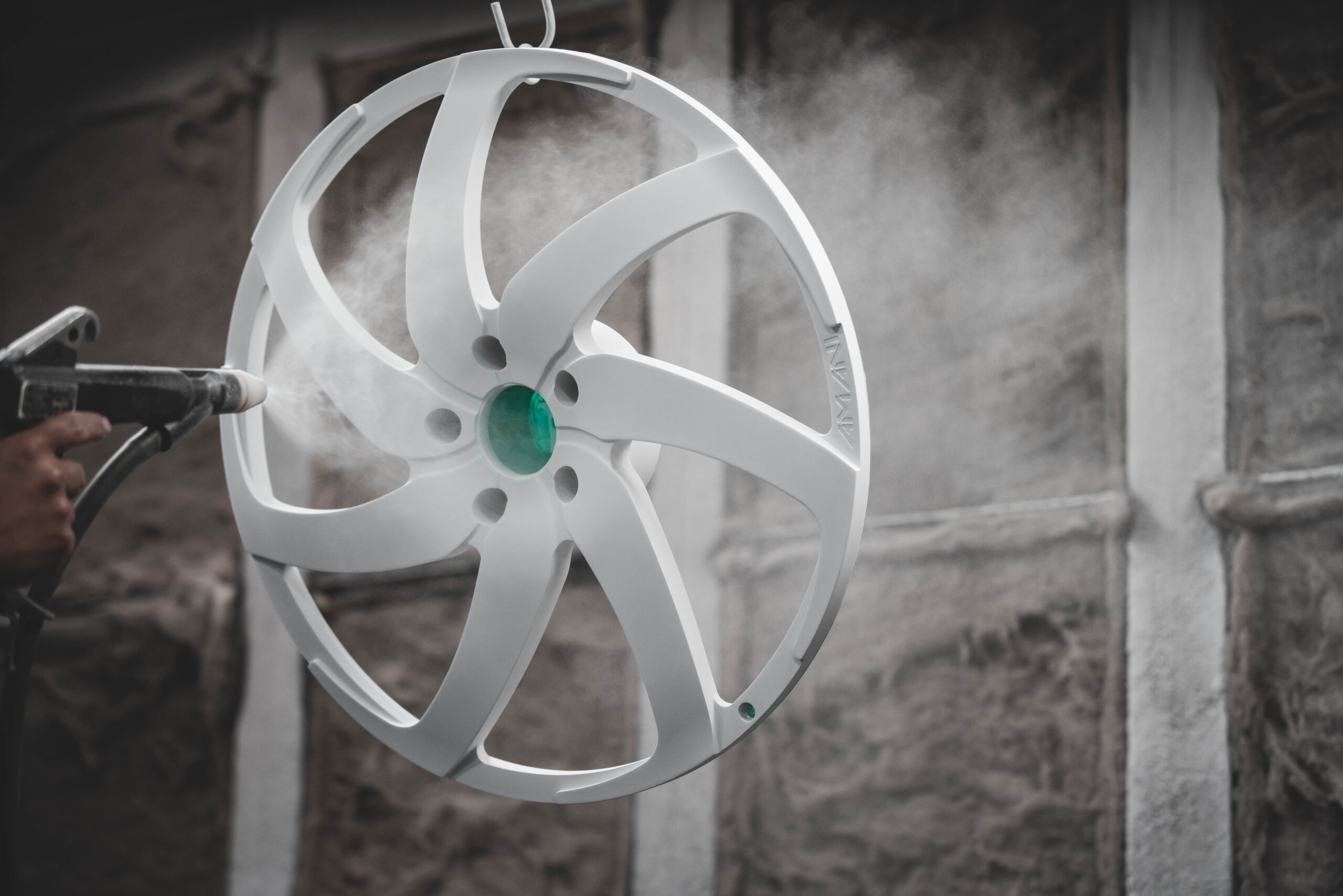
Every coating operation runs on different needs, which is why no single oven size fits all situations. From small shops handling custom parts to large manufacturers processing heavy components, the size of a curing oven directly affects productivity, efficiency, and long-term costs.
Load Envelope Engineering and Clearance Ratios That Dictate Usable Interior Volume
The true working size of an oven is not just its external dimensions but the internal load envelope it can support. A Reliant Finishing Systems design focuses on clearance ratios—how much space surrounds each part to allow proper heat circulation. A Reliant industrial powder coating oven must provide enough room for both the product and the airflow pathways that enable even curing.
Tight spacing may increase capacity on paper, but it often reduces performance in practice. Reliant powder coating ovens are built to maintain a balance between load density and airflow efficiency. When evaluating a Reliant powder coating oven for sale, understanding usable interior volume rather than just physical size leads to better long-term results and fewer coating inconsistencies.
Rack Geometry, Hanging Methods, and Their Influence on Vertical and Horizontal Capacity
The way parts are positioned inside the oven directly impacts how large the system needs to be. Rack geometry and hanging methods determine how efficiently space is used. Some parts require vertical hanging, while others are better suited for horizontal placement, changing the overall oven dimensions required.
Reliant powder coating systems are often designed around specific racking strategies to maximize throughput without sacrificing quality. A poorly planned layout can waste valuable space or restrict airflow. By contrast, optimized racking allows more parts per cycle while maintaining proper curing conditions. This is one of the key reasons oven sizes vary so widely across different applications.
Thermal Mass of Coated Parts and Its Effect on Oven Sizing Requirements
Not all parts absorb heat the same way. Heavy steel components require more energy and time to reach curing temperature compared to lighter materials. This difference in thermal mass directly affects how large and powerful an oven must be.
A Reliant industrial powder coating oven is engineered to handle varying thermal loads without losing efficiency. Larger ovens often include stronger heating systems to maintain consistent temperatures when processing heavier parts. Businesses considering a Reliant powder coating oven for sale must account for the types of materials they handle, as this factor plays a major role in determining the correct oven size.
Air Exchange Rates and Duct Configuration That Expand Functional Oven Dimensions
Air movement inside an oven is carefully controlled to maintain uniform heat distribution. This requires space for ducts, fans, and circulation paths. The need for proper air exchange often increases the internal dimensions of the oven beyond what is required for the parts alone.
Reliant powder coating ovens are designed with advanced duct configurations that ensure balanced airflow throughout the chamber. These systems prevent hot and cold spots, which can lead to uneven curing. As a result, oven size is influenced not just by part dimensions but by the engineering needed to maintain consistent airflow across all surfaces.
Line Speed Synchronization and Cure Window Requirements That Influence Oven Length
In continuous production systems, oven length is closely tied to conveyor speed and curing time. Faster line speeds require longer ovens to ensure parts remain inside long enough to reach full cure. This relationship between speed and dwell time is a key factor in oven sizing.
Reliant powder coating systems are designed to match production flow while maintaining proper curing conditions. A longer oven allows higher throughput without compromising quality. When evaluating a Reliant powder coating oven for sale, understanding how line speed interacts with oven length helps determine the right configuration for consistent output.
Structural Insulation Thickness and Wall Construction That Alter External Dimensions
The materials used to build an oven also affect its size. High-performance insulation is necessary to retain heat and improve energy efficiency, but it adds thickness to the oven walls. This means external dimensions can be significantly larger than the internal working space.
Reliant powder coating ovens are constructed with insulated panels that reduce heat loss and stabilize internal temperatures. This design improves efficiency but also influences overall footprint. Businesses selecting a Reliant industrial powder coating oven must consider both internal capacity and external size to ensure the system fits within their facility while delivering optimal performance.
Modular Expansion Sections and Future Capacity Planning That Shape Initial Sizing Decisions
Many manufacturers plan for growth when selecting equipment. Instead of choosing the smallest possible oven, they often invest in systems that can expand over time. Modular designs allow additional sections to be added as production increases.
Reliant powder coating systems are built with scalability in mind, making it easier to adapt to changing demands. A slightly larger oven or one designed for expansion can prevent costly upgrades later. Companies exploring a Reliant powder coating oven for sale often consider future capacity needs to ensure their investment remains effective as operations grow.
Apart from that if you want to know about What To Expect During A Professional Boat Rental Orientation then please visit our Business Category.