Few household problems become uncomfortable as quickly as an air conditioner that suddenly stops cooling. During warmer months, even a few hours without proper cooling can leave rooms feeling stuffy, humid, and difficult to relax in. While some air conditioning problems require professional attention, many issues begin with small warning signs that homeowners can spot early.
If your system is blowing warm air, running constantly, or struggling to maintain the right temperature, taking the right steps quickly can help prevent further damage. In some cases, simple maintenance may solve the issue. In others, contacting experienced AC repair experts can help restore comfort before the problem becomes more serious.
Check the Thermostat Settings First
Before assuming the air conditioner has failed, start with the thermostat. Incorrect settings are one of the most common reasons a system stops cooling properly.
Make sure the thermostat is set to “cool” mode and that the target temperature is lower than the current room temperature. It is also worth checking the fan settings. If the fan is set to “on” rather than “auto”, the system may continue circulating air even when cooling is not active.
Low batteries can also cause modern digital thermostats to behave unpredictably. Replacing the batteries or resetting the thermostat may solve the issue immediately.
Inspect and Replace Dirty Air Filters
Air filters play a major role in airflow and system efficiency. When filters become clogged with dust, pet hair, or debris, air cannot move through the system properly. This restriction can make the air conditioner work harder while delivering weaker cooling.
A dirty filter may also lead to frozen evaporator coils, which can stop the system from cooling altogether.
Most homeowners should check filters every one to three months, depending on usage, pets, and indoor air quality conditions. Replacing a blocked filter is inexpensive and often improves performance almost immediately.
Signs of a clogged filter include:
- Weak airflow from vents
- Increased indoor dust
- Uneven cooling between rooms
- Higher electricity bills
- Longer cooling cycles
Keeping filters clean helps protect the entire system and improves indoor comfort throughout the year.
Look for Ice Around the Indoor Unit
If you notice ice forming on refrigerant lines or indoor coils, the air conditioner may have an airflow or refrigerant issue. Many homeowners assume ice means the system is cooling effectively, but frozen components actually prevent proper operation.
Several problems can cause freezing, including:
- Dirty filters
- Blocked vents
- Refrigerant leaks
- Faulty blower fans
- Restricted airflow
If ice is visible, switch the system off and allow it to thaw completely before restarting it. Running the unit while frozen can place additional strain on important components.
If freezing returns after restarting the system, professional inspection is usually necessary to identify the underlying cause safely.
Make Sure Vents and Registers Are Open
Closed or blocked vents can affect airflow throughout the entire property. Furniture, curtains, rugs, or storage items placed near vents may reduce circulation and create uneven temperatures.
Walk through the home and confirm that all supply and return vents remain open and unobstructed. Even rooms that are rarely used should maintain some airflow to keep the system balanced properly.
Blocked vents may seem minor, but restricted airflow can increase system pressure and reduce cooling efficiency over time.
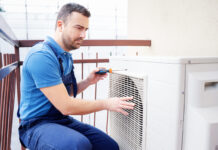
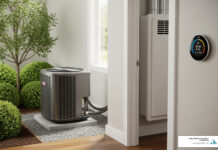
Check the Outdoor Condenser Unit
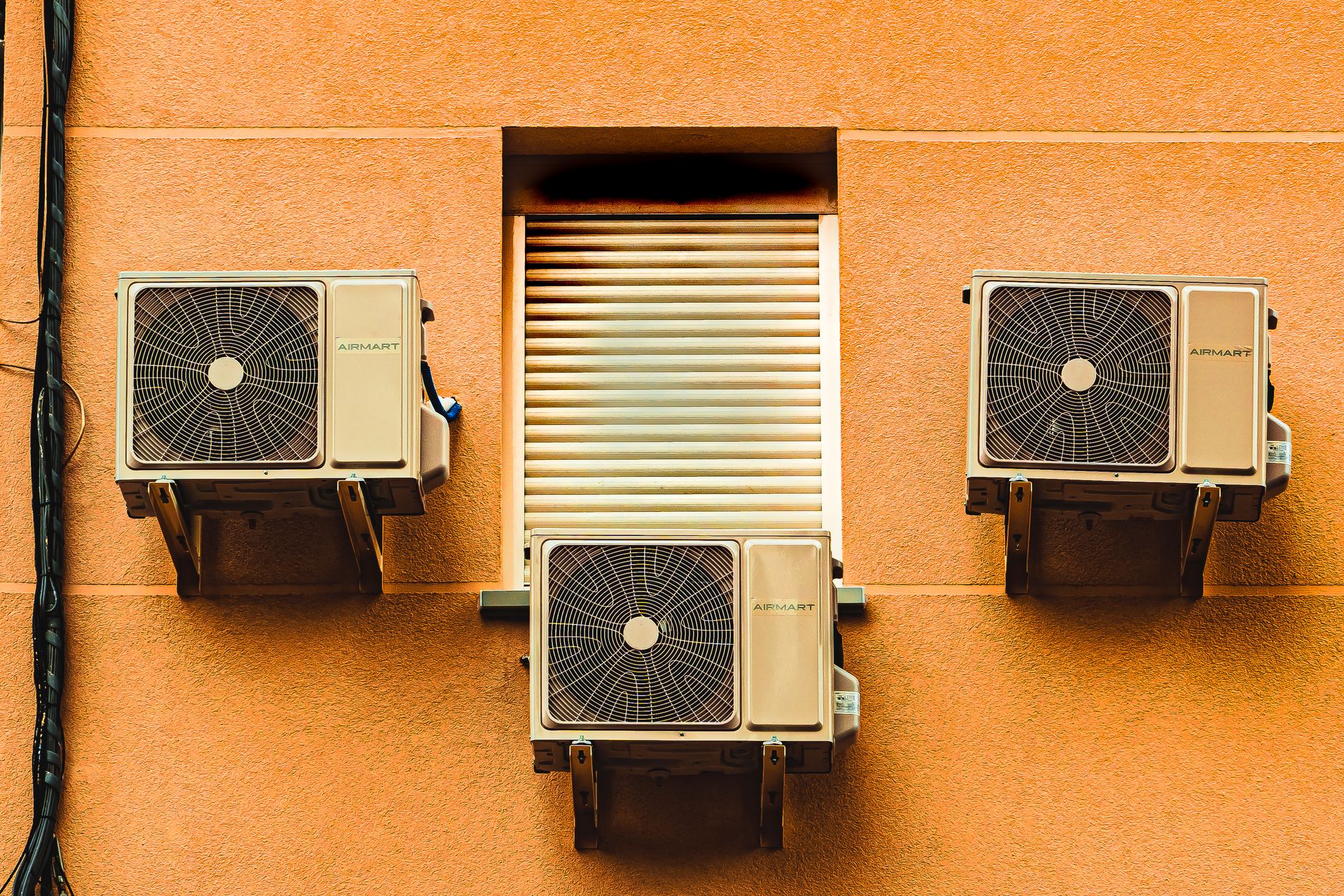
The outdoor condenser unit is responsible for releasing heat removed from inside the home. If the unit becomes dirty or blocked, cooling performance can decline significantly.
Leaves, grass clippings, dirt, and debris often collect around outdoor units, especially during spring and summer. Poor airflow around the condenser prevents heat from escaping efficiently.
Inspect the area around the unit and clear away debris carefully. Keep plants, weeds, and objects at least a couple of feet away from the system to maintain proper ventilation.
You should also look for signs of visible damage, including bent fins, disconnected wires, or unusual noises during operation.
Pay Attention to Unusual Sounds and Smells
Air conditioners usually produce a consistent background sound during operation. Sudden changes in noise or odour often indicate developing problems that should not be ignored.
Different sounds may suggest different issues:
- Banging could indicate loose or damaged parts
- Grinding may point to motor problems
- Buzzing can suggest electrical issues
- Hissing sometimes indicates refrigerant leaks
Musty smells may signal Mold growth within ducts or the indoor unit, while burning odours can indicate electrical faults.
If unusual sounds or smells continue after restarting the system, it is best to switch the unit off and arrange professional inspection rather than risking further damage.
Understand When Refrigerant Problems May Be Involved
Low refrigerant levels can seriously affect cooling performance. Unlike fuel, refrigerant does not get “used up” during normal operation. If levels are low, there is usually a leak somewhere within the system.
Common signs of refrigerant issues include:
- Warm air from vents
- Ice on refrigerant lines
- Hissing sounds
- Poor humidity control
- Longer cooling cycles
Handling refrigerant requires specialist equipment and certified training. Attempting DIY repairs can create safety risks and potentially damage the system further.
Professional technicians can locate leaks, repair damaged components, and recharge the system correctly according to manufacturer specifications.
Prevent Future Cooling Problems with Regular Maintenance
Routine maintenance remains one of the most effective ways to reduce unexpected air conditioning breakdowns. Many cooling issues develop gradually over time and can often be identified before they become major repairs.
Professional servicing commonly includes:
- Cleaning condenser coils
- Checking refrigerant levels
- Inspecting electrical connections
- Testing thermostat accuracy
- Lubricating moving components
- Checking airflow performance
Annual maintenance not only improves reliability but can also help reduce energy consumption and extend equipment lifespan.
Homeowners who schedule regular inspections often experience fewer emergency repairs and more consistent indoor comfort throughout the year.
Conclusion
When an air conditioner stops cooling properly, quick action can help prevent discomfort, rising energy costs, and more expensive repairs. Simple checks such as replacing filters, inspecting vents, and reviewing thermostat settings may solve minor issues before they escalate. However, persistent cooling problems, refrigerant leaks, unusual noises, or frozen components usually require professional attention to avoid further system damage.
Understanding the early warning signs allows homeowners to respond confidently and keep their cooling systems operating efficiently. With regular maintenance and prompt troubleshooting, most air conditioning systems can continue delivering reliable comfort even during the hottest periods of the year.
Want to know about How Winter Weather Affects Indoor Air Quality and What You Can Do Check out our Home Improvement category.