Pest Control Treatment Cost
Pests are more than a nuisance; they threaten your property, health, and peace of mind. Whether you’re dealing with ants, termites, bed bugs, or rodents, the proper pest control treatment can eliminate infestations before they cause long-term damage. But one of the most common questions homeowners ask is:
How much does pest control treatment cost? The answer depends on factors like pest type, infestation severity, home size, and whether you choose DIY solutions or professional extermination services. This detailed guide breaks down every aspect of Pest Control Treatment Cost Breakdown, including average pricing, inspection fees, preventive plans, and long-term savings, to help you make an informed, cost-effective decision.
Pest Control Treatment Cost Breakdown
| Category | Average Cost (USD) | Details / Inclusions | Frequency / Notes |
| One-Time Treatment | $150 – $500 | Covers most common pests (ants, roaches, spiders) | Ideal for light infestations |
| Termite Treatment | $800 – $3,500 | Fumigation, bait systems, or chemical barriers | High-severity pest; periodic retreatment |
| Bed Bug Treatment | $800 – $2,500 | Heat or chemical treatment across rooms | Often requires multiple visits |
| Rodent Control | $150 – $600 | Traps, exclusion, and cleanup | Best with ongoing monitoring |
| Inspection Fee | $50 – $150 | Initial site check and pest identification | Often waived if you proceed with the service |
| Quarterly Preventive Plan | $400 – $1,200 / year | Scheduled maintenance for prevention | Includes perimeter and interior treatment |
| Monthly Plan | $30 – $70 / visit | Regular monitoring for high-risk areas | Popular for apartments or restaurants |
| DIY Pest Control | $20 – $100 | Traps, sprays, powders | Temporary results, suitable for minor infestations |
| Professional Treatment | $150 – $600 / visit | Certified exterminators with advanced methods | Long-lasting, safer, and more thorough |
| Commercial Pest Control | $200 – $3,000 | For offices, restaurants, and warehouses | May include 24/7 monitoring |
| Eco-Friendly / Organic Treatments | $200 – $600 | Uses plant-based or non-toxic solutions | Safe for pets and children |
| Follow-Up Visits | $50 – $150 | Reapplication or inspection post-treatment | Recommended for severe infestations |
Why Pest Control Matters
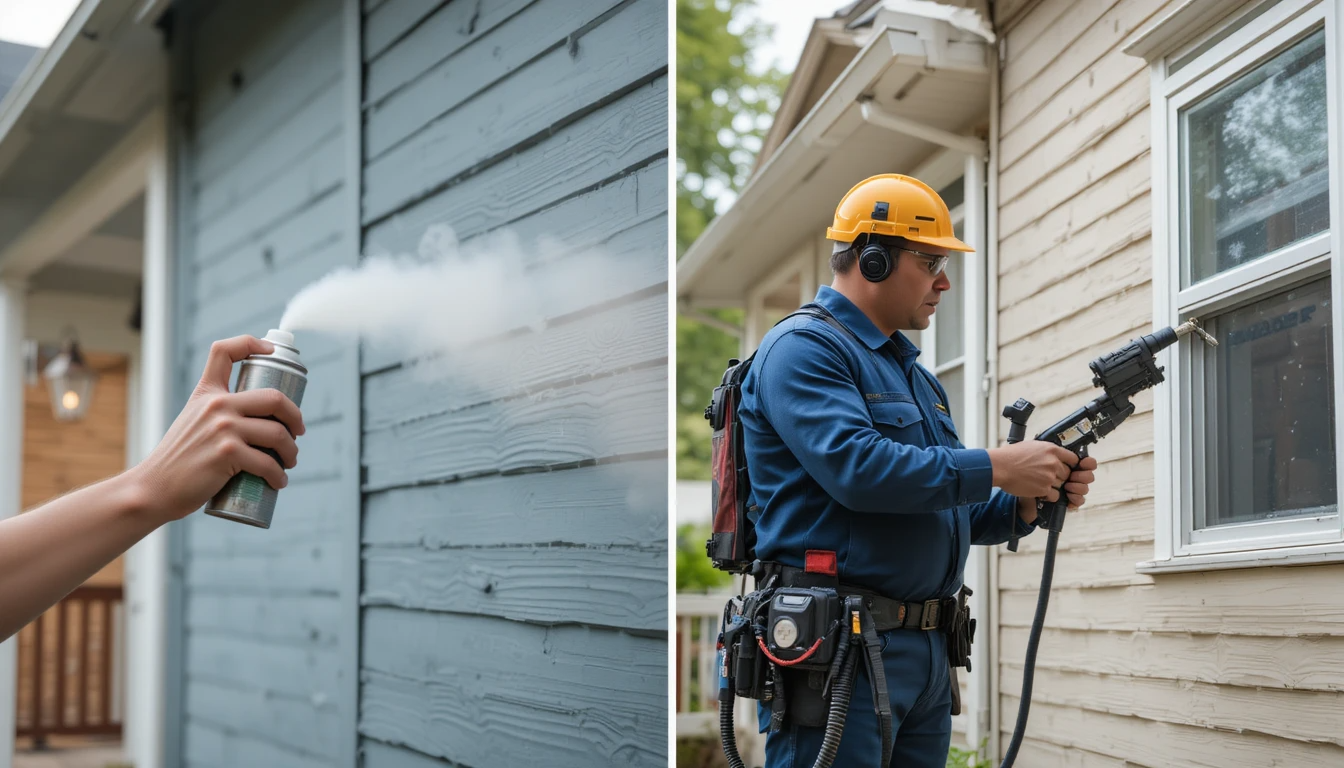
Every year, millions of homes in the U.S. face pest infestations, from termites silently eating wood to bed bugs spreading fast through bedrooms. Effective pest control not only prevents discomfort but also protects structural integrity, reduces disease risks, and maintains property value.
Ignoring infestations may seem like a short-term saving, but pests multiply quickly. A few hundred dollars spent early on professional treatment can save thousands in structural repairs or replacements later.
Average Pest Control Treatment Cost
The average pest control treatment cost ranges from $150 to $600 per visit, depending on the pest and the method used.
However, for severe or specialized infestations (such as termites or bed bugs), costs can reach $1,000–$5,000 for complete treatment.
Quick Breakdown:
- One-time treatment: $150–$500
- Quarterly plan: $400–$1,200 annually
- Monthly plan: $30–$70 per visit (typical for preventive maintenance)
- Severe infestation (termites, bed bugs): $1,000–$5,000+
Factors That Affect Pest Control Cost
Several key factors influence the total Cost of pest control treatment:
- Type of Pest: Termites and bed bugs require extensive treatments, while ants or cockroaches are cheaper to eliminate.
- Infestation Size: Larger or more severe infestations demand multiple treatments.
- Home Size: Bigger homes mean more area to inspect and treat.
- Treatment Method: Chemical, organic, or heat-based options vary in Cost.
- Frequency of Service: Ongoing maintenance plans are cheaper per visit than one-time emergencies.
- Accessibility: Hard-to-reach nests or structural damage increases labor costs.
- Location: Prices differ based on regional pest activity and Cost of living.
Pest Control Cost by Type of Pest
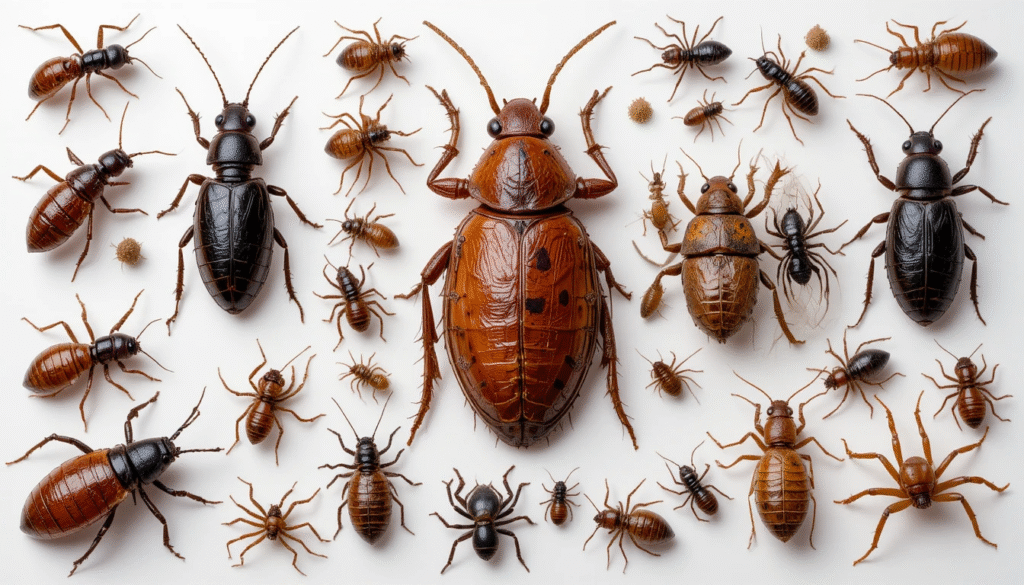
Below is a comprehensive look at how much you can expect to pay for different pests.
| Pest Type | Average Cost (Per Treatment) | Treatment Type | Severity Level (Low–High) |
| Ants | $100 – $350 | Chemical spray, bait traps | Low–Medium |
| Cockroaches | $150 – $400 | Gel bait, insecticide fogging | Medium–High |
| Rodents (mice/rats) | $150 – $600 | Traps, poison, exclusion | Medium |
| Termites | $800 – $3,500 | Chemical barrier, bait system, fumigation | High |
| Bed Bugs | $800 – $2,500 | Heat treatment, steam, chemicals | High |
| Fleas/Ticks | $150 – $350 | Spray or fog treatment | Low–Medium |
| Mosquitoes | $100 – $500 | Yard fogging, larvicide application | Medium |
| Spiders | $150 – $300 | Spot treatment, barrier protection | Low–Medium |
| Wasps/Bees | $150 – $500 | Nest removal, insecticide | Medium–High |
| Termite Inspection Fee | $75 – $150 | Detailed property inspection | — |
💡 Pro Tip: For recurring infestations, preventive quarterly plans can be cheaper than repeated one-time treatments.
Pest Control Inspection Fees
Before treatment begins, most pest control companies conduct a detailed inspection to identify pest species, nesting locations, and the extent of damage. The costs for inspections vary: a basic inspection typically ranges from $50 to $150, while a termite or specialized inspection can cost between $100 and $300. Some companies even waive inspection fees if you proceed with treatment. This initial inspection is crucial as it ensures accurate pricing and prevents unnecessary chemical use. Additionally, it helps tailor the treatment to your property’s structure and the specific behavior of the pests.
DIY vs. Professional Pest Control
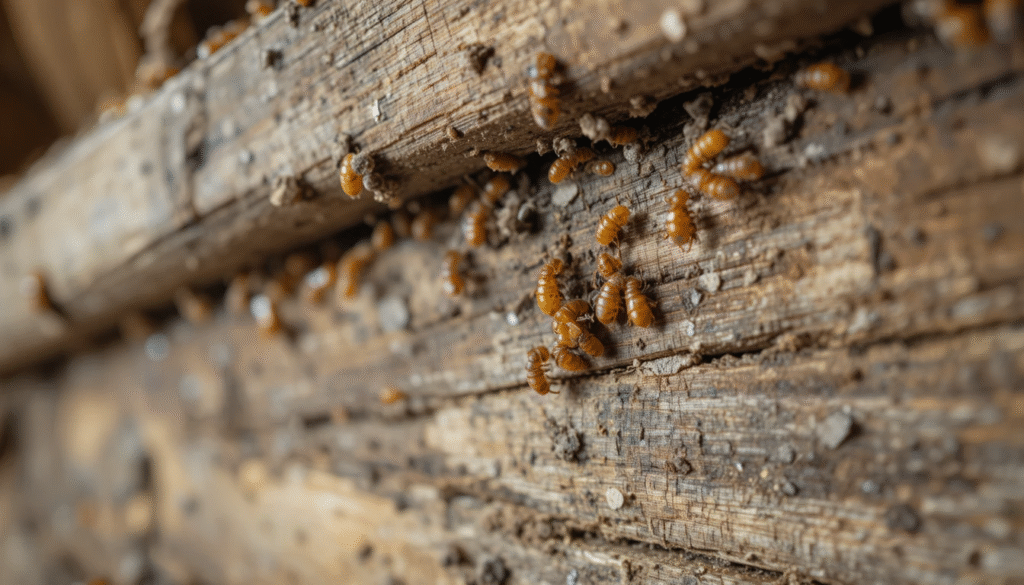
When faced with pests, many homeowners ask: Should I handle it myself or call an expert?
DIY Pest Control
| Pros | Cons |
| Lower initial Cost (usually under $50) | Often temporary results |
| Immediate access to over-the-counter products | Misuse of chemicals can be unsafe. |
| Good for minor infestations | May worsen the problem if nests are left untreated |
Professional Pest Control
| Pros | Cons |
| Expert diagnosis and treatment plan | Higher upfront Cost |
| Access to more potent, safer chemicals | Requires scheduling and inspection |
| Long-lasting results and guarantees | |
| Prevention against reinfestation |
One-Time vs. Ongoing Pest Control Services
Depending on your infestation type, you can choose between one-time treatments or ongoing preventive maintenance. One-time treatments are ideal for small infestations and typically cost between $150 and $500. These treatments generally include an inspection and localized chemical application.
On the other hand, ongoing preventive plans involve multiple visits, scheduled quarterly or monthly. These plans usually include inspections, spot treatments, and perimeter defense, with average annual costs ranging from $400 to $1,200. Many companies also offer discounts or warranties for clients who sign up for ongoing services, helping to reduce the likelihood of future infestations and associated costs.
Different Pest Control Techniques and Their Average Costs
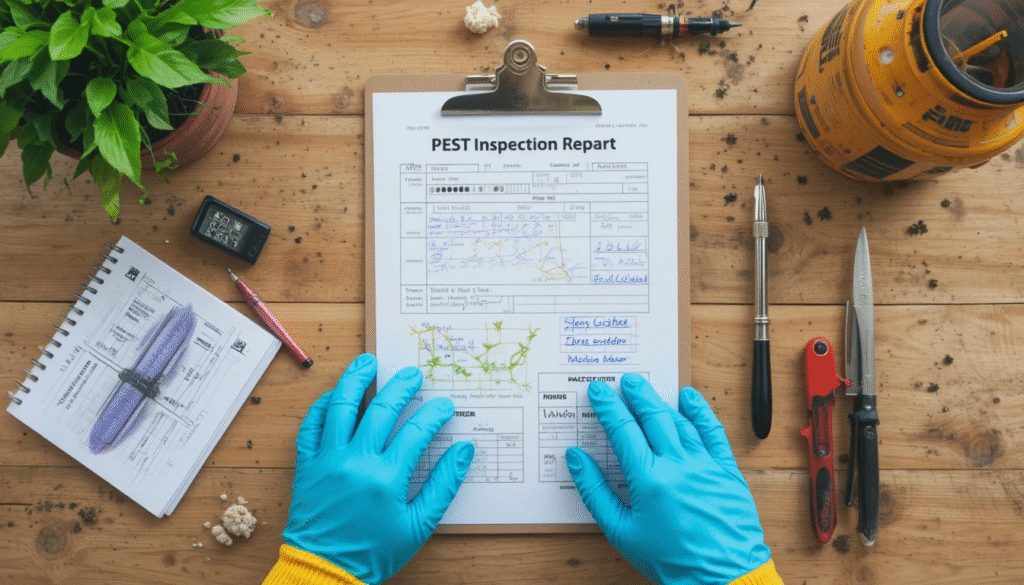
1. Chemical Treatments
Chemical treatments are the most widely used method for pest control, with costs ranging from $100 to $400 per session. This approach is effective against various common pests, including ants, roaches, and other general insects. Chemical treatments typically involve applying pesticides to targeted areas, ensuring quick results.
2. Heat Treatment
Heat treatment is primarily used to eradicate bed bugs and can cost between $1,000 and $2,500. This method involves heating infested areas to a temperature that kills all life stages of bed bugs, making it highly effective for severe infestations. The process requires specialized equipment to ensure even heat distribution throughout the space.
3. Fumigation
Fumigation is considered the best option for treating termites and large infestations, with costs ranging from $2,000 to $5,000. This method involves sealing the home and filling it with gas, which penetrates all areas to eliminate pests effectively. Fumigation is a more intensive process and typically requires homeowners to vacate their property during treatment.
4. Baiting Systems
Baiting systems are designed to target termites or rodents and usually cost $300 to $800 upfront, plus ongoing monitoring fees. This method involves placing bait stations around the property, which attract and eliminate pests over time. Regular monitoring ensures that the bait remains effective and that any new infestations are addressed promptly.
5. Eco-Friendly Treatments
Eco-friendly treatments utilize plant-based or non-toxic solutions, making them a popular choice for households with children or pets. These treatments generally cost between $200 and $600 and prioritize safety while still effectively managing pest issues. Eco-friendly options are increasingly favored for their sustainability and reduced environmental impact.
Hidden Costs and Add-Ons
Some additional expenses often surprise homeowners.
- Follow-Up Visits: $50–$150 per revisit
- Sealing Entry Points: $100–$300
- Deep Cleaning After Infestation: $200–$600
- Furniture Treatment (bed bugs/fleas): $100–$250 per item
- Outdoor Treatment for Lawns/Yards: $100–$400
Tip: Always request a written estimate that includes hidden or optional fees before agreeing to a service.
Preventive Pest Control Plans
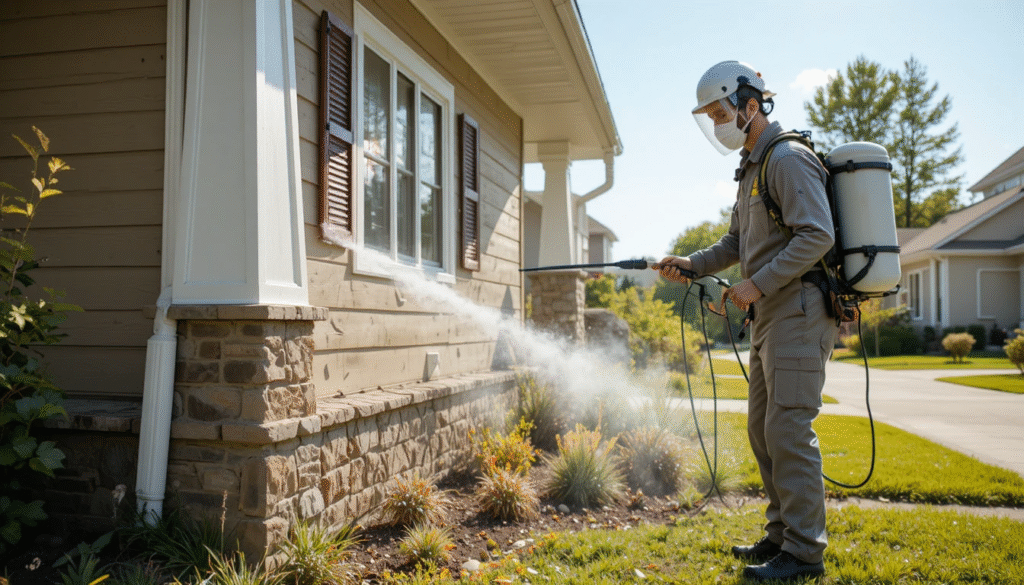
Preventive plans are an excellent investment for keeping pests away year-round.
Common Plans Include:
- Quarterly Visits: Every 3 months for perimeter and interior checks
- Seasonal Treatments: Target pests common in spring or summer
- Annual Inspections: Focused on termites and structural pests
Average Cost: $400–$1,200 per year
Bonus Tip: Many companies offer bundled packages combining indoor, outdoor, and mosquito treatments for comprehensive protection.
Conclusion
Understanding pest control treatment costs is the first step toward keeping your home protected. Whether you’re facing termites, bed bugs, or common household pests, professional pest control offers long-term peace of mind that far outweighs short-term savings.
From average pricing and inspection fees to DIY vs. professional services and preventive plans, this guide shows that pest control isn’t just an expense; it’s a wise investment in your home’s health, safety, and future value. More from us: Why Professional HVAC Maintenance Outperforms Basic DIY Cooling Care.
Want to know about Why Hybrid Flooring Is So Popular? Check out our Home Improvement category.
FAQs
DIY methods can be adequate for minor infestations, but they may not provide lasting results for larger issues or specific pests.
DIY methods can be adequate for minor infestations, but they may not provide lasting results for larger issues or specific pests.
Expect an initial inspection, a discussion of treatment options, and the application of chosen methods. You may need to vacate the area for specific treatments.
Regular maintenance, sealing cracks and gaps, properly storing food, and maintaining cleanliness can help prevent pest infestations.