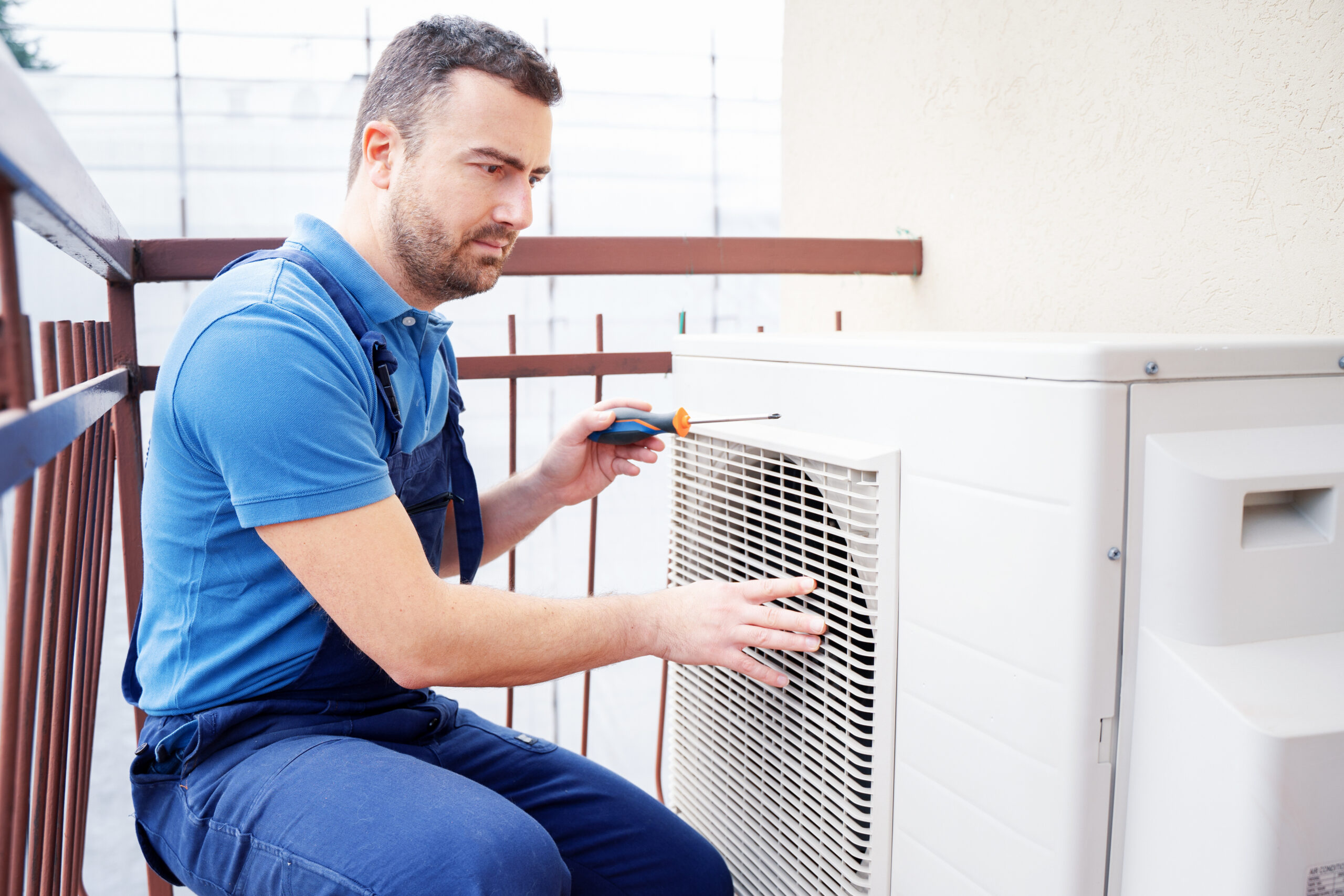
A cooling system can appear perfectly healthy while gradually losing efficiency, airflow, or reliability. Basic homeowner care has value, but it cannot replace measurements and component-level inspection performed by a trained HVAC professional. Understanding the difference matters because small performance losses can accumulate through an entire cooling season. This guide explains where DIY care helps, where it reaches its limits, and why professional maintenance provides greater long-term value.
For homeowners comparing air conditioning services in Tucson, the distinction becomes especially important because prolonged hot weather places substantial operating demand on cooling equipment. Replacing filters and clearing debris can support basic performance, but technicians can evaluate refrigerant behavior, electrical components, airflow, drainage, temperature differences, and mechanical wear. Those checks reveal conditions that are usually invisible from outside the equipment and difficult to diagnose safely without specialized instruments.
What DIY Cooling Care Does Well
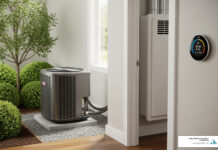
DIY maintenance is not useless. In fact, several simple tasks can prevent avoidable problems. Homeowners can replace dirty filters according to equipment requirements, keep supply vents open, remove leaves around the outdoor condenser, and check that furniture is not blocking return grilles. These actions support airflow and reduce obvious restrictions. The key is recognizing that they are preventive housekeeping tasks, not comprehensive equipment maintenance.
Where DIY Efforts Stop
A homeowner can see a dirty filter, but cannot reliably determine whether a blower motor is drawing excessive current or whether an electrical connection has deteriorated. Likewise, warm air from a vent does not automatically mean the system needs refrigerant. A professional diagnosis uses temperature readings, electrical measurements, airflow observations, and equipment specifications to distinguish symptoms from causes before recommending corrective work.
For residents researching air conditioning services in Tucson, professional maintenance can also identify problems that become more expensive under sustained summer demand. A technician may discover a weak capacitor, restricted coil, blocked condensate drain, deteriorating contactor, or abnormal operating temperature before the component fails. Catching such conditions during scheduled service is fundamentally different from waiting for the system to stop cooling during an exceptionally hot afternoon.
Why Measurements Matter More Than Appearance
HVAC equipment can look clean and still perform poorly. Efficiency depends on relationships between airflow, heat transfer, electrical performance, refrigerant conditions, and controls. A technician can compare measured supply and return temperatures, inspect coil condition, test electrical components, and assess system operation against manufacturer requirements. These observations create a factual picture of performance instead of relying on sound, appearance, or a homeowner’s general impression.
Consider an air conditioner that runs longer than usual but still cools the house eventually. A homeowner might assume hotter weather is responsible. A technician could discover reduced airflow from a restricted coil or blower issue. Correcting that restriction may reduce operating time and mechanical strain. This example illustrates why professional maintenance can deliver value even when the equipment has not yet produced an obvious failure.
Which HVAC Tasks Require Professional Attention?
Some maintenance activities involve specialized tools, electrical hazards, pressurized refrigerants, or diagnostic knowledge. They should not be treated as ordinary household chores. Professional service becomes particularly valuable when the system shows inconsistent cooling, unusual electrical behavior, water around the indoor unit, repeated circuit trips, refrigerant concerns, or unexplained increases in runtime.
A practical division looks like this:
- Homeowners can replace filters and keep outdoor areas clear.
- Homeowners can monitor unusual noises, odors, or changes in cooling.
- Technicians can test capacitors, contactors, motors, and electrical circuits.
- Technicians can evaluate refrigerant-related performance safely.
- Technicians can inspect coils, drainage, controls, and airflow conditions.
- Technicians can identify developing faults before they become emergency repairs.
Does Professional Maintenance Actually Save Money?
The financial benefit is not simply that maintenance prevents breakdowns. A properly operating system can avoid wasting electricity through excessive runtime, restricted airflow, poor heat transfer, or failing components. Professional service also provides information about equipment condition, helping homeowners decide whether a repair makes sense or whether replacement should be planned before a major failure forces an urgent decision.
Suppose an older system needs a relatively inexpensive electrical repair and otherwise performs within acceptable ranges. Fixing that component may be financially sensible. Conversely, if testing reveals multiple major issues alongside declining performance, continued repairs may offer diminishing returns. Professional maintenance gives homeowners evidence for that decision instead of encouraging replacement based solely on equipment age or sales pressure.
How Often Should Professional HVAC Maintenance Be Scheduled?
For many residential systems, professional inspection before the heavy cooling season is a sensible practice, while the exact schedule depends on equipment condition, usage, manufacturer guidance, and local operating demands. A heavily used system may deserve closer attention than one operating only occasionally. The goal is not to follow a calendar blindly, but to inspect the equipment before demand exposes weaknesses.
Homeowners should also treat unusual changes as reasons for evaluation rather than waiting for the next scheduled visit. A sudden rise in energy consumption, reduced airflow, longer cooling cycles, or water leakage can indicate a developing issue. Prompt diagnosis may prevent a minor defect from affecting additional components. This is particularly relevant in climates where cooling equipment may operate for extended periods.
What Should a Good Maintenance Visit Include?
A useful maintenance appointment should produce more than a statement that the system “looks good.” Ask what was inspected, whether measurements were taken, what conditions were found, and whether any recommendation is urgent. A trustworthy technician should explain observations in understandable terms and distinguish necessary repairs from optional improvements. Written findings can also help homeowners track recurring issues across future service visits.
Professional maintenance is ultimately an information-gathering process as much as a cleaning exercise. The technician examines how the system behaves under operation, identifies deviations, and determines whether corrective action is warranted. That approach helps prevent guesswork. It also gives homeowners a clearer understanding of energy performance, equipment condition, likely repair priorities, and the practical steps needed to keep cooling dependable.
Make Maintenance Part Of Ownership
DIY cooling care remains useful because clean filters, clear vents, and an unobstructed condenser help any air conditioner operate properly. Yet those actions address only the visible portion of system care. Professional HVAC maintenance adds testing, diagnosis, safety checks, performance analysis, and early fault detection. Homeowners who combine both approaches gain a stronger defense against wasted energy, inconvenient breakdowns, and premature equipment replacement.
Choose Smarter Cooling Care
Professional HVAC maintenance provides something basic DIY care cannot: measurable insight into how the entire cooling system is performing. Homeowners can handle simple upkeep, but trained technicians can identify electrical, airflow, drainage, refrigerant, and mechanical issues before they become costly disruptions. Scheduling service proactively also creates an opportunity to compare repair costs with equipment condition. By combining sensible homeowner care with professional inspections, you can improve reliability, manage energy use, and make better decisions about your air conditioner throughout its service life.