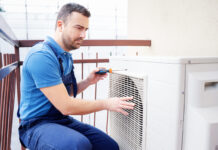
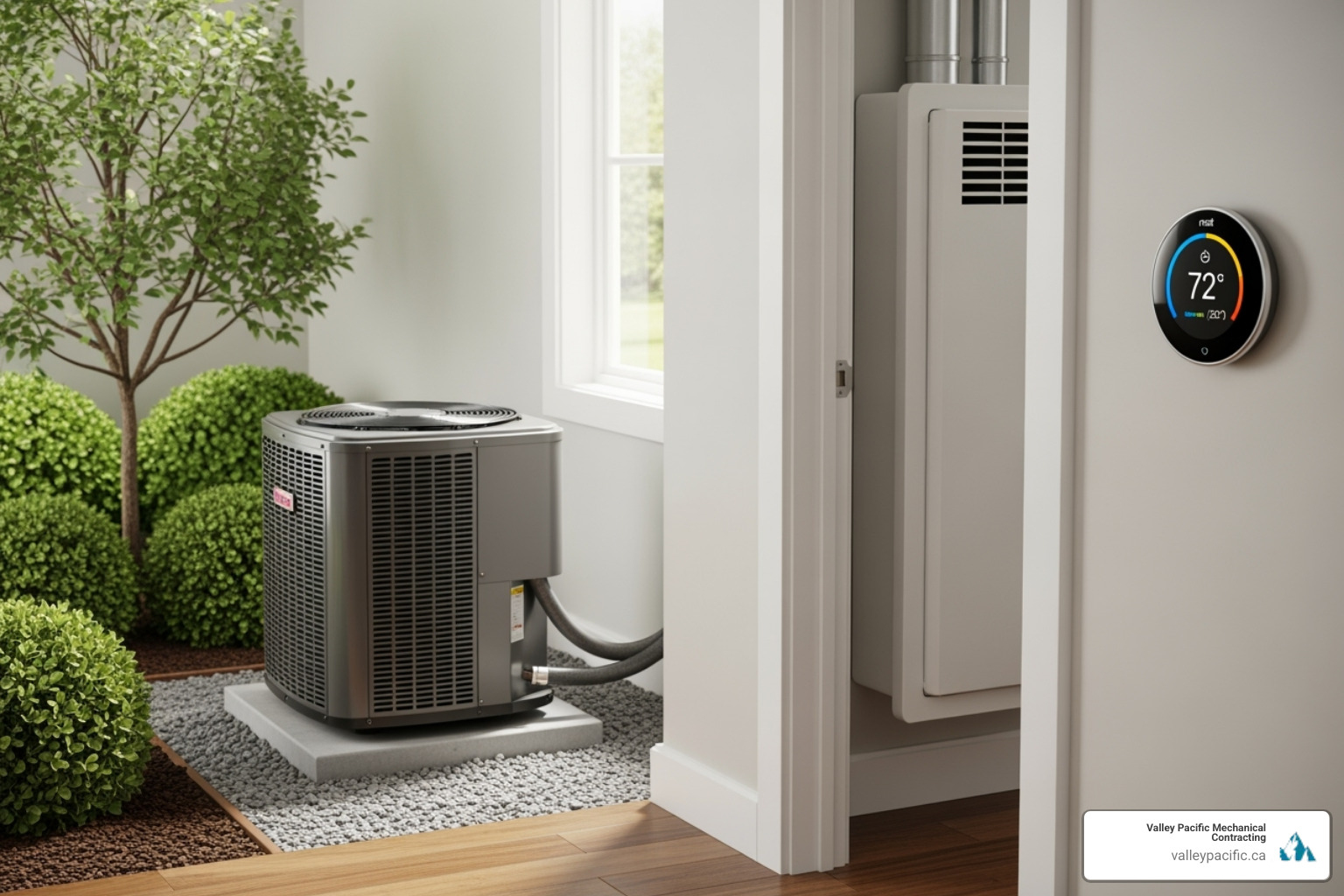
Upgrading your heating and cooling equipment is one of the biggest investments you can make in your home. While a new system can improve comfort, many homeowners also hope it will lower monthly utility costs. The challenge is finding the right balance between performance, efficiency, and budget. If you’re considering HVAC replacement Lancaster, PA, understanding your options before making a decision can help you get the most value from your investment.
An HVAC upgrade is about more than replacing an old unit with a newer model. The right system should match your home’s size, your family’s comfort needs, and your long-term energy goals. Taking the time to evaluate these factors can help you enjoy reliable heating and cooling without unnecessary energy expenses.
Why HVAC Efficiency Matters
Your HVAC system is one of the largest energy users in your home. Older systems often lose efficiency over time due to wear and tear, outdated technology, and declining performance. Even if the equipment still works, it may consume far more energy than a modern replacement.
Newer HVAC systems are designed with advanced features that improve efficiency while maintaining consistent indoor temperatures. Variable-speed motors, smart thermostats, and improved compressors help reduce wasted energy by adjusting output based on your home’s needs instead of running at full capacity all the time.
Lower energy use doesn’t just reduce utility bills. It can also improve indoor comfort by minimizing temperature swings and maintaining better humidity levels throughout the year.
Choosing the Right Size System
One of the most common mistakes homeowners make is focusing only on the size of the equipment. Bigger isn’t always better.
An oversized system may cool or heat your home too quickly, causing it to cycle on and off frequently. This can lead to uneven temperatures, higher energy consumption, and unnecessary wear on the equipment.
On the other hand, an undersized system may run continuously without reaching the desired temperature, increasing energy costs and reducing comfort.
A qualified HVAC professional performs a detailed load calculation that considers factors such as:
- Square footage
- Home insulation
- Window placement
- Ceiling height
- Local climate
- Number of occupants
This assessment helps determine the appropriate system capacity for your specific home.
Look Beyond the Purchase Price
It’s natural to compare upfront costs when shopping for a new HVAC system, but the least expensive option isn’t always the most economical over time.
Higher-efficiency models often cost more initially but can reduce monthly operating expenses for years. Depending on your climate and how often you use your system, those savings may offset much of the higher purchase price over the equipment’s lifespan.
When evaluating different systems, consider:
- Estimated annual energy costs
- Warranty coverage
- Expected lifespan
- Maintenance requirements
- Repair history for the equipment brand
Looking at total ownership costs rather than just installation expenses provides a more complete financial picture.
Smart Thermostats Can Maximize Savings
Even the most efficient HVAC system can waste energy if it’s not properly managed.
A programmable or smart thermostat helps optimize heating and cooling schedules based on your daily routine. Instead of maintaining the same temperature all day, the system automatically adjusts when you’re asleep or away from home.
Many smart thermostats also allow remote control through a mobile app, making it easy to adjust settings if your schedule changes. Some models even learn your habits over time, improving efficiency without sacrificing comfort.
Small adjustments of just a few degrees can make a noticeable difference in annual energy use.
Improve Your Home’s Overall Efficiency
An HVAC upgrade works best when paired with improvements that reduce heating and cooling demands.
Before installing a new system, consider addressing areas where conditioned air may be escaping. Better insulation and air sealing can significantly improve overall efficiency.
Helpful upgrades include:
- Sealing air leaks around doors and windows
- Adding attic insulation
- Cleaning and sealing ductwork if needed
- Replacing worn weatherstripping
- Installing energy-efficient windows when appropriate
These improvements allow your HVAC system to work less while maintaining comfortable indoor temperatures.
When Is It Time to Consider an Upgrade?
Many homeowners wait until their system completely fails before replacing it. While that may seem cost-effective, emergency replacements often leave little time to compare options or plan your budget.
Signs that it may be time to consider HVAC replacement Lancaster, PA include:
- Frequent repairs
- Rising utility bills
- Uneven temperatures throughout the home
- Excessive noise during operation
- Poor airflow
- Equipment that is 15–20 years old
Replacing an aging system before it fails can give you more flexibility when selecting equipment and scheduling installation.
Avoid Common HVAC Upgrade Mistakes
A successful HVAC replacement involves more than choosing a high-efficiency unit. Several common mistakes can reduce the benefits of your investment.
Some of the biggest mistakes include:
- Choosing equipment based only on price
- Skipping professional load calculations
- Ignoring ductwork issues
- Neglecting regular maintenance after installation
- Overlooking available energy rebates or incentives
Working with an experienced HVAC contractor can help you avoid these problems and ensure your system performs as expected.
Maintaining Your New HVAC System
Once your new system is installed, proper maintenance helps preserve both comfort and efficiency.
Simple maintenance tasks include replacing air filters regularly, keeping outdoor units free of debris, and scheduling annual professional inspections. Preventive maintenance allows technicians to identify small issues before they become expensive repairs.
Consistent maintenance also helps maintain airflow, improve indoor air quality, and extend the life of your equipment.
Conclusion
Balancing comfort and energy bills doesn’t require choosing between one or the other. A properly selected and professionally installed HVAC system can provide reliable indoor comfort while reducing unnecessary energy use.
By selecting the right-sized equipment, considering long-term operating costs, improving your home’s efficiency, and keeping your system well maintained, you’ll enjoy better performance for years to come. An HVAC upgrade is a significant investment, but making informed decisions today can lead to greater comfort, lower utility bills, and improved peace of mind well into the future.
Apart from that if you want to know about Why Your HVAC System Might Smell Odd When You First Turn on the Heat then please visit our Home Improvement Category.