

Searching for a townhome for sale can give buyers more options between condos and detached houses. These properties often combine private entrances, useful living space, and shared community features. The right choice still depends on ownership terms, monthly costs, location, and association health.
A lower asking price doesn’t automatically mean lower ownership costs. HOA dues, insurance, taxes, maintenance duties, and future assessments can change the financial picture. Buyers should compare the complete monthly cost before making an offer.
Direct answer: A good attached home should fit your budget, lifestyle, financing, and long-term plans. Review the HOA documents, ownership structure, inspection, insurance, parking, and resale factors before committing. Compare the total monthly cost rather than focusing only on the asking price.
| Buyer factor | What to check |
|---|---|
| Purchase price | Compare similar nearby properties and recent sales. |
| HOA dues | Check the amount, coverage, increases, and payment schedule. |
| Ownership | Confirm whether the property is fee-simple, condominium, or another structure. |
| Association finances | Review budgets, reserves, assessments, and major planned repairs. |
| Insurance | Identify owner coverage and any association master policy. |
| Condition | Inspect the unit, shared walls, roof responsibilities, drainage, and major systems. |
| Parking | Confirm garage, driveway, assigned spaces, and guest rules |
| Rental rules | Check leasing limits, waiting periods, and minimum lease terms. |
| Financing | Confirm lender eligibility before removing financing protections. |
| Resale | Consider layout, dues, location, condition, and future buyer demand. |
Key Takeaways for U.S. Buyers
- Compare total monthly housing costs, not only the purchase price.
- Confirm the legal ownership structure before making assumptions about maintenance.
- Read association budgets, rules, insurance details, and assessment information.
- Get the property inspected even when it is newer construction.
- Confirm financing requirements with your lender before making a firm commitment.
- Check rules on parking, pets, rentals, noise, storage, and exterior modifications.
- Consider future resale demand before choosing an unusual layout or restrictive community.
What Makes a Townhome Different?
The term describes a housing style more often than a nationwide legal ownership form. Many units share one or more walls and have private entrances. Some communities also provide garages, yards, patios, or shared recreational areas. A property that looks like a townhouse could legally be organized as a condominium. Another property could include the land underneath its structure.
The recorded documents determine those rights, not the building’s appearance. That distinction can affect maintenance, insurance, financing, and future resale. Buyers should review the deed, declaration, community documents, and title information. Magbuff’s guide to metes and bounds also explains how U.S. property descriptions identify land.
Townhome, Condo, or Detached House?
Choosing between housing types becomes easier when you compare responsibilities alongside price. A condo can offer extensive shared maintenance, while a detached house often gives owners greater control. An attached property can sit somewhere between those two options.
| Feature | Attached home | Condo | Detached house |
|---|---|---|---|
| Shared walls | Common | Common | Usually none |
| Private entrance | Usually | Varies | Yes |
| HOA | Common, but not universal | Very common | Varies |
| Exterior responsibility | Varies | Often association-controlled | Usually owner |
| Land ownership | Varies | Usually shared interest | Usually private lot |
| Community rules | Often | Often | Depends on HOA |
| Maintenance burden | Moderate | Often lower | Often higher |
| Privacy | Moderate | Varies | Usually greater |
No option wins for every buyer. Your preferred balance of privacy, maintenance, location, and cost should guide the decision. The legal documents should then confirm whether the property delivers that balance.
How to Evaluate a Townhome for Sale Before Making an Offer
Photos and listing descriptions are useful starting points, but they leave important questions unanswered. Your review should cover both the physical unit and the community behind it. That second layer can affect affordability long after closing.
1. Calculate the Real Monthly Cost
Start with the estimated mortgage payment, property taxes, insurance, and HOA dues. Add any known recurring charges that belong to the property. Leave room for repairs and expenses the association doesn’t cover. HOA charges are usually separate from the mortgage servicer payment. The Consumer Financial Protection Bureau advises buyers to include them when judging affordability.
Closing expenses also deserve their own budget. They can include appraisal charges, title costs, taxes, insurance prepayments, and other transaction expenses. Your lender should provide formal estimates during the mortgage process.
2. Find Out What the HOA Dues Cover
Two communities with similar fees can provide completely different services. One association might handle landscaping and common spaces. Another could also cover roofs, building exteriors, private roads, insurance, or amenities. Ask for a written explanation of covered responsibilities before comparing properties. Review exclusions because those expenses may become the owner’s responsibility.
A low fee provides little value if major shared costs are poorly funded. Association maintenance can affect everyday home care as well. Owners may still handle systems inside their unit despite shared exterior responsibilities. Magbuff’s duct cleaning guide for homeowners covers one example of ongoing interior maintenance.
3. Review the Association’s Financial Health
Request the CC&Rs, the current budget, the latest reserve study, reserve information, recent meeting minutes, and assessment notices when available. Look for major repairs that have been delayed. Also ask whether additional assessments are planned or being discussed. Association finances can matter to lenders and owners. Fannie Mae project reviews can examine budgets, financial statements, insurance, legal documents, and project conditions.
Project requirements differ according to property structure and loan circumstances. Do not treat a low monthly fee as automatic evidence of good management. Adequate reserves can help communities prepare for expensive shared repairs. Weak planning could create larger owner costs later.
4. Confirm Your Financing Early
Tell your lender the exact property type once you find a serious candidate. A building marketed as a townhouse might legally be part of a condominium project. That classification can change the lender’s review process. FHA and VA financing can require condominium project approval or offer single-unit approval options, so ask your lender which applies. HUD also considers factors such as financial condition, insurance, legal issues, and physical condition.
Buyers using FHA financing should confirm eligibility before relying on assumptions. Conventional lenders can also review project-level risks in certain developments. Lender and agency standards for condominium projects and property insurance change over time. Early lender review can reduce unpleasant financing surprises later.
5. Read the Rules Before You Buy
Community rules can affect daily life more than buyers expect. Review restrictions involving pets, parking, rentals, exterior changes, signs, grills, and noise. Investors should pay particular attention to rental restrictions. Ask whether owners need approval before modifying doors, windows, patios, fences, or exterior equipment. Also check whether there are architectural standards.
Restrictions that seem minor today might matter after your needs change. Parking deserves its own review during each showing. Verify garage dimensions, driveway rights, assigned spaces, and guest parking. Visit during busy evening hours when possible.
6. Inspect the Unit and Its Shared Components
A professional inspection remains valuable even for recent construction. New materials do not guarantee correct installation or trouble-free systems. Pay attention to moisture, drainage, windows, plumbing, electrical systems, and heating equipment. Shared walls deserve extra attention because sound transfer affects everyday comfort. Ask about wall construction when records are available.
Spend several quiet minutes inside the property during your visit. Garage condition can also influence maintenance expenses. Listen for grinding, rattling, or unusual movement during operation. Magbuff’s guide to common garage door noises explains several warning signs homeowners may encounter.
7. Understand Exterior Maintenance Duties
Never assume the association automatically maintains the roof and exterior. Responsibility depends on the governing documents and ownership structure. Obtain written information about roofs, siding, foundations, balconies, and exterior drainage. Weather also affects shared and privately maintained building components differently across the country. Climate should influence inspection priorities and long-term maintenance planning.
Magbuff’s roofing and plumbing weather guide provides related homeowner maintenance considerations. Insurance responsibility should also match the maintenance structure. Ask what the association’s master policy covers and what owners must insure separately. Your insurance agent can review the documents before closing.
Red Flags Worth Investigating
One warning sign does not always make a property unsuitable. Several unresolved issues together should trigger deeper investigation. Buyers need enough information to price those risks before committing.
Watch closely for these warning signs.
- Repeated or unusually large special assessments
- Major repairs with unclear funding
- Frequent HOA fee increases without explanation
- Active disputes or significant litigation
- Inadequate insurance coverage
- Visible deferred exterior maintenance
- Extensive water damage or drainage problems
- Strict rental rules that conflict with your plans
- Limited or disputed parking rights
- Governing documents that are incomplete or unavailable
Fannie Mae notes that insurance deficiencies and critical repair problems can affect project eligibility. Pending litigation and other project characteristics can matter as well. Lenders and professionals should review these issues before closing.
How Much Should You Budget?
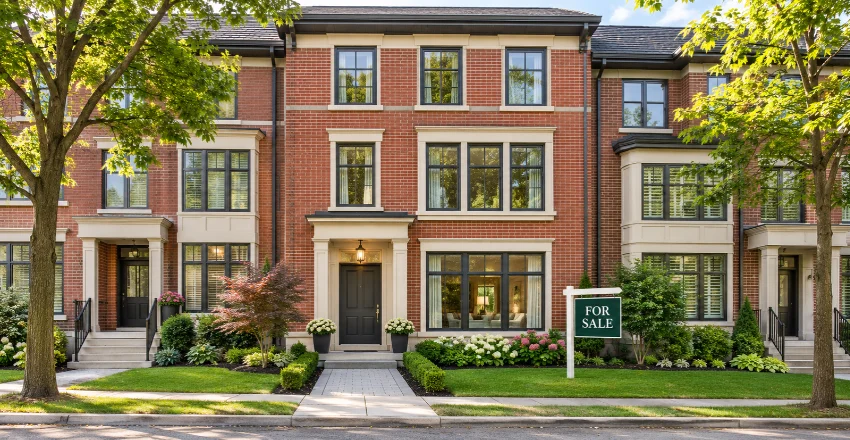
There is no useful nationwide purchase price for this housing type. Values vary sharply by metro, neighborhood, property age, and community type. Current local listings give buyers a more meaningful starting point. Create a budget around the complete housing payment instead of your maximum loan approval. Include mortgage costs, taxes, insurance, association charges, utilities, maintenance, and reserves.
That method makes it easier to compare competing properties. Also budget for closing expenses and immediate improvements. A property needing appliances, flooring, paint, or repairs can require cash soon after purchase. Keeping reserves after closing gives buyers more financial flexibility.
Availability and Finding the Right Property
Inventory changes daily and differs greatly by city. Search major listing platforms, local brokerage sites, and MLS-connected agent tools for current availability. Filters can narrow results by price, bedrooms, parking, HOA fees, and construction year. Save promising listings and compare them side by side. Record monthly costs, association coverage, size, condition, commute, and major restrictions.
Consistent comparisons can prevent attractive photos from dominating the decision. When a strong match appears, request the available community documents early. Ask your lender whether the property structure creates extra requirements. Then schedule a showing before making a fully informed offer.
Frequently Asked Questions
What should I check first when viewing a townhome for sale?
Start with the total monthly cost, ownership structure, and HOA responsibilities. Then examine the association’s finances, property condition, parking, and community rules. Those factors reveal more than finishes and staging.
Are townhomes always part of an HOA?
No, HOA arrangements vary by development and legal structure. Some attached properties have formal associations with recurring dues. Others use different agreements for shared responsibilities.
Is a townhouse the same as a condominium?
Not necessarily, because one term can describe building style while the other describes ownership. A multistory attached unit can legally be a condominium. Review the recorded documents before relying on the listing label.
Do HOA dues cover exterior repairs?
Sometimes, but the exact coverage varies by community. The association might cover landscaping while owners handle roofs or exterior walls. Governing documents should identify the actual maintenance responsibilities.
Can an HOA affect mortgage approval?
Yes, certain project characteristics can affect some loan programs. Lenders may review finances, insurance, property condition, legal issues, and project documents. Requirements depend on the loan and legal ownership structure.
Should I buy a newer attached home without an inspection?
Skipping an inspection simply because construction is newer can create avoidable risk. New properties can still contain installation defects or unfinished work. An inspection gives buyers independent information before important deadlines.
A Better Way to Make Your Decision
Start with three questions: Can you afford the total cost, can you accept the rules, and is the community financially sound? Then compare condition, location, privacy, parking, and resale appeal. A property that passes every category deserves closer consideration. Don’t rush because a listing looks inexpensive compared with detached homes nearby. Shared expenses and association obligations can change long-term costs.
Better due diligence gives you a clearer basis for negotiating or walking away. When you find a strong candidate, contact a licensed local agent and mortgage professional. Request the association documents and confirm financing before removing important protections. Then schedule a showing and use this checklist while inspecting the property.
—–