As homeowners, we often take for granted the importance of our roofing and plumbing systems until something goes wrong. However, the weather plays a significant role in the health and longevity of these crucial components of our homes. From extreme heat to freezing temperatures, different weather conditions can have a direct impact on the performance of our roofs and plumbing systems. In this blog post, we will explore how weather affects roofing and plumbing systems and provide tips on how to prepare for these weather-related challenges.
Extreme Heat
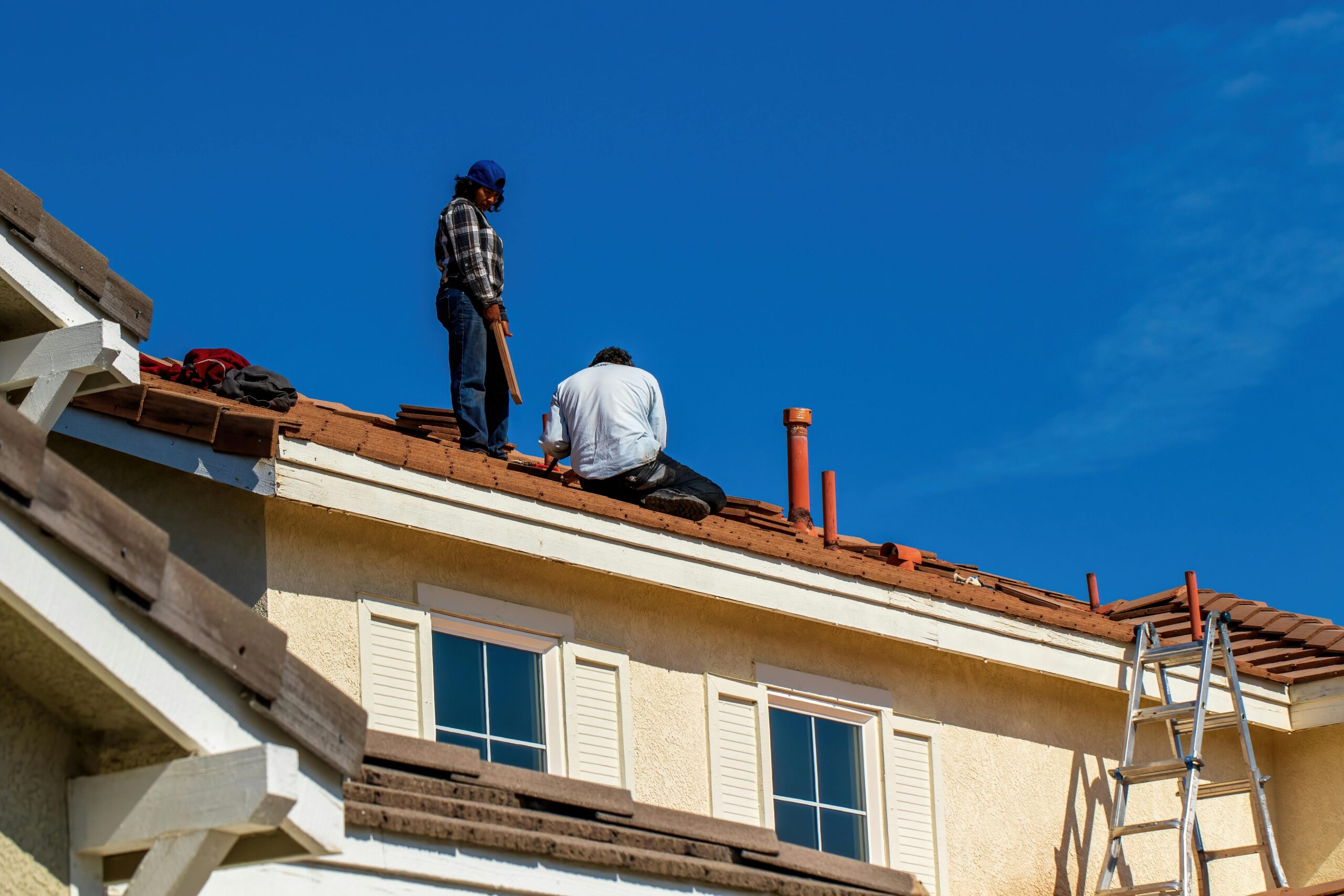
During hot summer months, the intense heat can cause shingles on your roof to warp and crack. This can lead to leaks and water damage inside your home. Additionally, extreme heat can also affect the seals around vents and chimneys, leading to potential leaks. To combat the effects of extreme heat on your roofing system, it is essential to have regular inspections done by professional roofers. They can identify any issues early on and make necessary repairs before they escalate.
In terms of plumbing systems, extreme heat can also wreak havoc. High temperatures can cause pipes to expand and contract, leading to cracks or leaks. To prevent this from happening, consider insulating your pipes to protect them from temperature fluctuations. Additionally, be mindful of using water during peak hot hours to avoid putting unnecessary stress on your plumbing system.
Read More: Why Hybrid Flooring Is So Popular?
Heavy Rain
Rain is a common occurrence in many parts of the world, but heavy rainstorms can pose a significant threat to both roofing and plumbing systems. Excessive rainfall can lead to water pooling on your roof, causing structural damage over time. It is crucial to ensure that your gutters are clear of debris so that water can flow freely away from your home.
When it comes to plumbing systems, heavy rainstorms can overwhelm sewer systems and lead to backups in your home. To prevent this from happening, consider installing a sump pump in your basement or crawl space to help mitigate flooding during heavy rain events. For this, you may ask for expert advice from your trusted plumber about what’s best for your place.
Freezing Temperatures
Winter brings with it freezing temperatures, which can have a detrimental impact on both roofing and plumbing systems. Ice dams are common during winter months, when snow melts on the roof but refreezes at the eaves due to inadequate insulation or ventilation. This can cause water backup under shingles and eventually lead to leaks inside your home.
To prevent ice dams from forming, make sure your attic is properly insulated and ventilated to maintain consistent temperatures on your roof surface. For plumbing systems, freezing temperatures pose the risk of pipes bursting due to expanding ice inside them. To safeguard against frozen pipes, consider insulating exposed pipes in unheated areas like basements or attics.
Hailstorms
Hailstorms are another weather phenomenon that can wreak havoc on roofing systems by causing dents or punctures in shingles. These damages may not be immediately apparent but could compromise the integrity of your roof over time if left unaddressed.
After a hailstorm, it is crucial to have a professional roofer inspect your roof for any signs of damage so that repairs can be made promptly. In terms of plumbing systems, hailstorms may not have as direct an impact as they do on roofs but could potentially damage exterior fixtures like faucets or outdoor piping.
To weather-proof your home, start by scheduling regular inspections for both roofing and plumbing systems by professionals. This proactive step helps identify potential issues before they become major problems. Next, ensure that your gutters are clean and free from debris. Clogged gutters can lead to water damage and other complications, so regular maintenance is key.
It’s also important to insulate exposed pipes in cold areas to prevent freezing. Proper insulation can save you from costly repairs during the winter months. Additionally, installing proper ventilation in attics is crucial for preventing ice dams, which can damage your roof and lead to leaks.
Consider investing in storm-resistant materials for roofing. These materials can provide better protection against severe weather conditions. Finally, always have emergency supplies handy in case severe weather causes disruptions. Being prepared can make a significant difference in challenging situations.
The weather has a significant impact on both roofing and plumbing systems in our homes, but with proper preparation and maintenance measures, you can ensure their longevity despite challenging weather conditions. By staying proactive with regular inspections and taking steps towards weather-proofing your home, you will be better equipped to handle whatever Mother Nature throws at you.
Remember that prevention is key when it comes to protecting these essential components of your home; so don’t wait until disaster strikes before taking action!
Apart from that, if you are interested to know about New technology in the washing machine then visit our Home Improvement category.