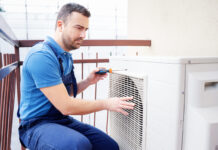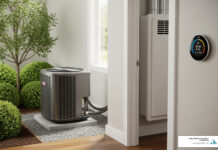
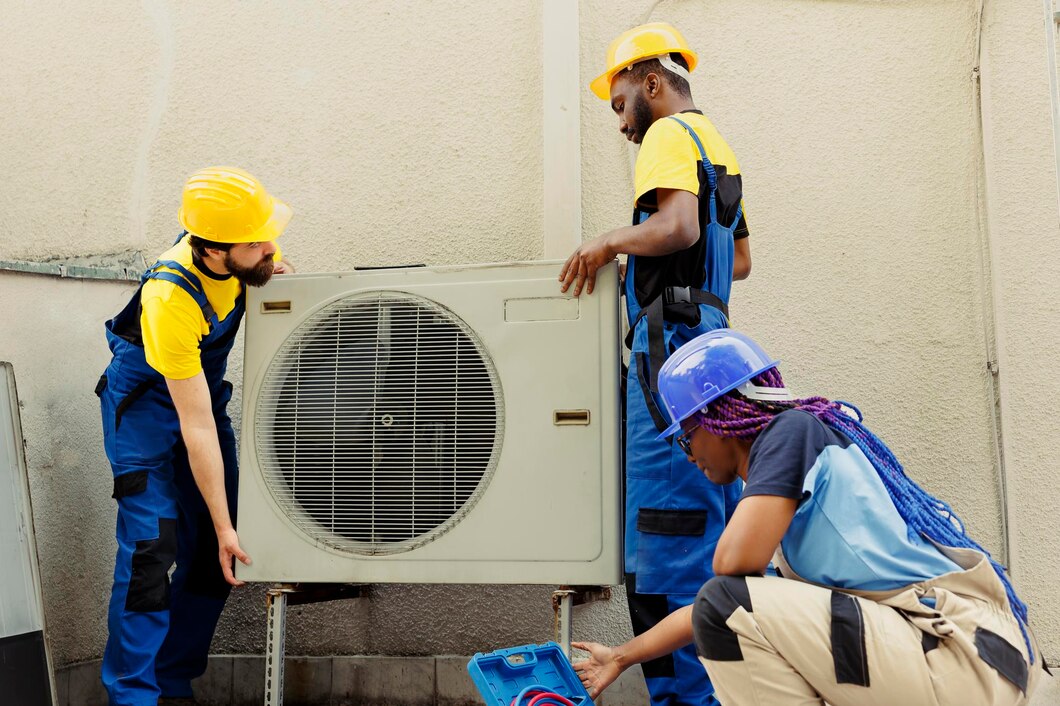
As colder months approach, firing up your HVAC system for the first time often comes with unexpected surprises, like strange, musty, or even burnt odors. These smells aren’t just unpleasant; they’re warning signs that shouldn’t be ignored. Before dismissing the issue as a seasonal quirk, it’s worth consulting professionals who specialize in HVAC installation in Troy to inspect your system for deeper, often hidden, causes that impact air quality and performance.
Understanding the Source of the Smell
Your HVAC system collects dust, moisture, and contaminants during idle periods. When the system starts up after months of disuse, these materials are circulated through your home, producing noticeable odors. Our guide to Balancing Comfort and Energy Bills When Upgrading Your HVAC System covers this in more detail.
Common Odors and What They Mean
- Dusty or Burning Smell: Often the result of accumulated dust on the heat exchanger or coils. When the system activates, the dust burns off, releasing a distinct smell. Though usually harmless, persistent burning odors could indicate overheating or electrical issues that require immediate inspection.
- Musty or Moldy Smell: This is typically linked to microbial growth within the ducts or near the evaporator coil. Mold thrives in moist, dark environments, making neglected HVAC systems an ideal host.
- Rotten or Sour Smells: These could stem from biological contaminants like pet dander, decaying pests, or stagnant water trapped in the drainage pan or ductwork. These smells are not only off-putting but potentially hazardous to respiratory health.
Mold: The Silent Intruder
One of the most persistent sources of HVAC-related odor is mold buildup.
Mold can develop in various system components, especially where moisture accumulates and ventilation is poor. Once spores form, they’re dispersed through your ductwork, reducing air quality and aggravating health conditions such as asthma or allergies.
Understanding the causes of mold in your HVAC system is essential. Factors include high indoor humidity, blocked drainage lines, unsealed ducts, and inconsistent maintenance. Without professional assessment, mold colonies remain hidden until their odor announces their presence.
Why Professional Servicing Matters
While some odors may fade after initial use, relying on self-diagnosis or temporary fixes is a high-risk approach. HVAC systems are complex, and what appears to be a minor issue can escalate into equipment damage or compromised air safety.
Certified technicians use specialized tools to clean internal components, flush condensate lines, inspect heat exchangers, and test airflow quality. They can identify mold growth early, treat contaminated areas, and recommend adjustments to improve ventilation or filtration.
Routine maintenance also includes calibrating thermostats, checking ignition systems, and ensuring that your unit is running efficiently without mechanical stress, factors that reduce the likelihood of future odors or system strain.
Prevention Through Proactive Maintenance
The most effective way to avoid unpleasant odors is a preventive maintenance strategy.
Regular servicing in the fall, before the heating season kicks in, ensures your system is clean, balanced, and ready to perform. This proactive approach helps identify concerns early and eliminates buildup before it circulates into your home.
A clean HVAC system doesn’t just smell better, it performs better, lasts longer, and contributes to a healthier indoor environment.
Conclusion
Strange odors from your HVAC system are not seasonal inconveniences; they’re indicators of underlying issues that need professional attention. Whether caused by dust, mold, or mechanical wear, these problems can quickly escalate without proper intervention. Engaging certified experts ensures a thorough inspection, precise diagnosis, and lasting resolution. Don’t wait for minor odors to become major disruptions; maintain your system with the expertise it demands for safe, efficient, and odor-free operation.