Selecting the right mulch goes beyond choosing a material that looks good; it impacts soil health, moisture retention, weed suppression, and the overall longevity of your landscape. In areas where landscaping standards are high, selecting the right mulch in Alpharetta requires understanding the distinct properties of each type to ensure both visual appeal and long-term performance.
Understanding the Purpose of Mulch in Landscape Design
Mulch plays a multifaceted role in landscaping. It acts as a protective barrier, shielding soil from extreme temperatures and helping to retain moisture at the root level. Additionally, mulch helps prevent weed growth, controls erosion, and enhances visual appeal by providing a clean, finished look to beds and borders.
Not all mulch is created equal, and the best choice depends on your specific application, whether it’s ornamental beds, foundation plantings, tree rings, or pathways. Material composition, longevity, and maintenance requirements should all factor into the selection process.
Organic vs. Inorganic Mulch: What’s the Difference?
Organic Mulch
Organic mulches are derived from natural materials and break down over time, improving soil texture and fertility. Common options include:
- Hardwood mulch: A popular choice for its affordability and clean appearance. It decomposes at a moderate rate and works well in shaded areas.
- Pine bark: Offers a more decorative finish with good drainage, suitable for flower beds and ornamental gardens.
- Pine straw: Lightweight, easy to spread, and often used around acid-loving plants like azaleas and hydrangeas.
- Compost mulch: Rich in nutrients, ideal for vegetable gardens and plantings that benefit from organic matter.
Organic mulches generally require more frequent replenishment but contribute directly to soil health as they decompose.
Inorganic Mulch
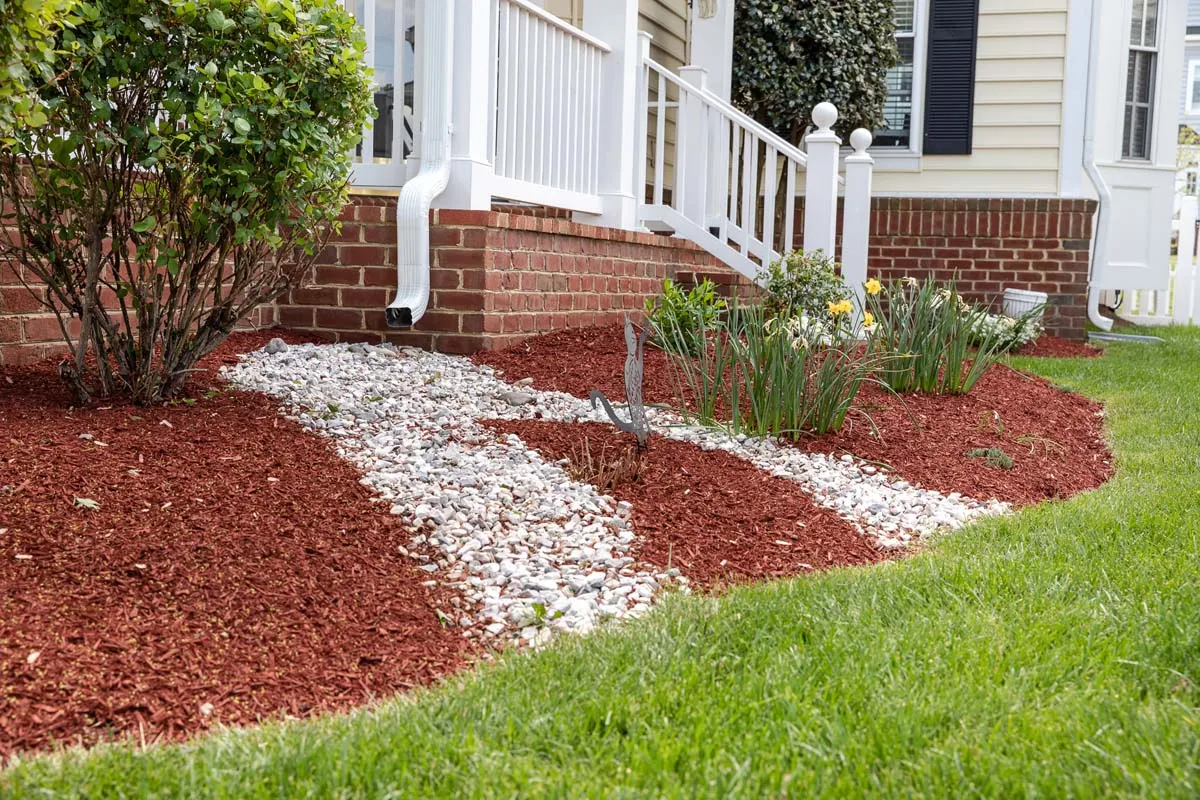
Inorganic options, such as rubber mulch, gravel, or landscape fabric, do not break down and therefore offer longer-lasting coverage. These are ideal for high-traffic areas, pathways, or designs where minimal maintenance is desired. However, they do not enrich the soil and may require different installation techniques.
Read More: Choosing The Right Landscaping Service to Match Your Property Vision
Matching Mulch to Project Type
Choosing the best mulch starts with identifying the function of the area you’re covering:
- For decorative beds: Opt for pine bark or dyed hardwood mulch to add color and visual contrast.
- For vegetable gardens: Compost or finely shredded leaves provide nutrients and encourage earthworm activity.
- For trees and shrubs: Pine straw offers gentle insulation and is easy to apply around trunk bases.
- For slopes or erosion-prone areas: Heavier bark nuggets or stabilized mulch types stay in place better during storms.
Each material offers distinct advantages, and the right choice depends on both functional needs and environmental factors.
Calculating the Right Amount
Beyond choosing the correct type, it’s essential to understand how much mulch you need for effective coverage. Applying too little won’t suppress weeds or retain moisture effectively; applying too much can suffocate roots and promote fungus. In most cases, a 2 to 3-inch layer is optimal for beds, while tree rings may benefit from slightly deeper application, taking care to avoid piling against the trunk.
Accurate measurement of bed size and desired depth ensures material efficiency and cost control, two key considerations for large-scale or multi-phase projects.
Professional Installation for Best Results
Even the best mulch won’t deliver full benefits without proper installation. Professionals assess grading, drainage patterns, and soil condition before applying mulch to ensure it performs as intended. Their expertise helps avoid common pitfalls like volcano mulching around trees or uneven distribution that leads to bare spots or compaction.
In regions with varying soil types and climate conditions, like those seen in Alpharetta, professional insight is invaluable in ensuring long-term mulch effectiveness.
Conclusion
Choosing the best mulch for your landscaping project isn’t about following trends; it’s about aligning materials with function, aesthetics, and environmental conditions. Whether you’re enhancing curb appeal, conserving moisture, or improving soil quality, the right mulch makes a measurable impact.
With a clear understanding of your landscape’s needs, material properties, and application best practices, your mulch selection becomes a strategic investment, one that supports both the health of your plants and the overall presentation of your outdoor space.