Introduction
Lighting is essential in creating the right atmosphere in any space, and hanging light cords offer a versatile, stylish, and affordable solution. These lighting fixtures not only provide functional illumination but also act as design elements that enhance the aesthetic appeal of your home or workspace. This comprehensive guide covers popular styles, practical buying tips, advantages, disadvantages, and essential maintenance advice to help you choose and care for hanging light cords effectively.
| Category | Details |
| Styles of Hanging Light Cords | Industrial: Exposed bulbs with metal accents. Minimalist: Sleek, modern designs. Bohemian: Natural materials like rope or jute. Geometric: Creative shapes and metallic finishes. Colorful: Bold, playful hues. |
| Tips for Choosing Hanging Light Cords | Match style with your existing décor. Consider cord length for ideal hanging height. Choose bulbs that complement the mood (Edison, LED, etc.). Use durable, fire-resistant materials. Use multiple cords for dramatic lighting effects. |
| Pros | Affordable: Budget-friendly lighting solution. Versatile: Fits various interior styles. Customizable: Easy to personalize. Space-saving: Minimal footprint. Easy Installation: Suitable for DIY setups. |
| Cons | Limited Coverage: May not illuminate large spaces evenly. Requires Maintenance: Needs regular cleaning and inspections. Potential Clutter: Excessive cords can look messy. Fragility: Some styles are delicate. Safety Risks: Improper installation can pose hazards. |
| Maintenance Tips | Dust cords and bulbs regularly. Inspect cords for wear and damage. Clean bulbs with a microfiber cloth. Secure loose cords to prevent tangling. Replace burnt-out bulbs promptly. |
This summary provides a quick overview of key points about hanging light cords, helping you make an informed lighting choice.
What Are Hanging Light Cords?
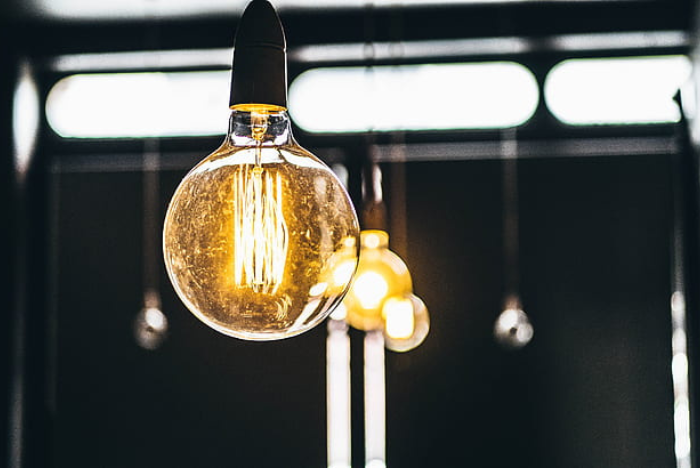
Hanging light cords are simple yet impactful lighting fixtures typically consisting of an electrical cord, bulb socket, and sometimes decorative features such as cloth covers or stylish plugs. Unlike traditional ceiling fixtures, these cords provide a minimalist look and versatile placement options, commonly used in modern, industrial, or eclectic interiors. They’re ideal for highlighting specific areas or adding a creative flair to your lighting scheme.
Styles of Hanging Light Cords
Industrial Style
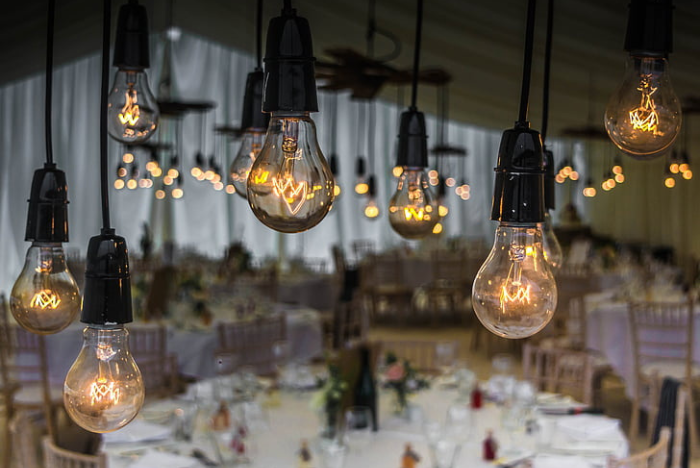
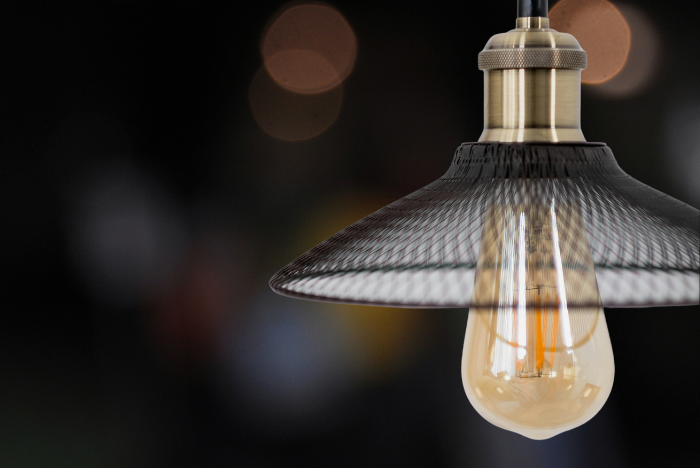
Industrial hanging light cords emphasize raw materials like exposed Edison bulbs, metal finishes, and rustic elements. Braided cords in neutral colors add a vintage, loft-inspired charm perfect for studios and urban apartments.
Minimalist Style
Minimalist hanging light cords favor clean lines and simple designs, often featuring monochrome cords paired with sleek bulbs or shades. These are ideal for contemporary settings that value simplicity and elegance.
Bohemian Style
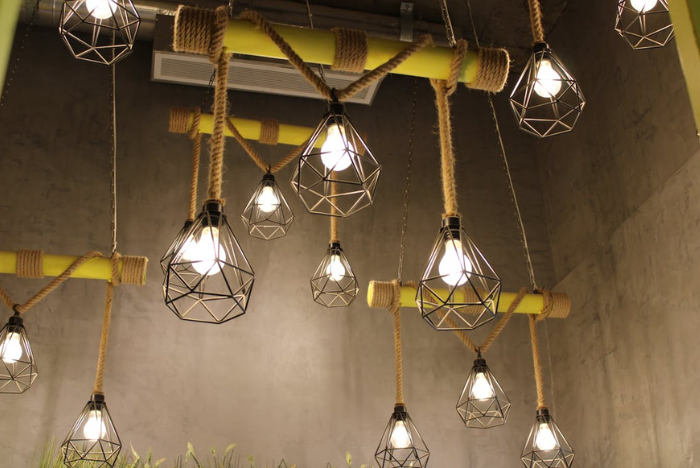
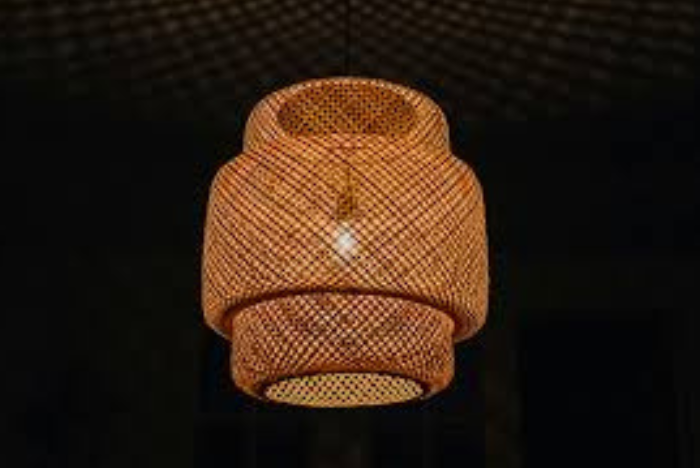
Bohemian hanging light cords incorporate natural textures such as rope or jute, complementing eclectic interiors with warm tones, greenery, and layered textiles, creating an inviting, earthy vibe.
Geometric and Modern Designs
Featuring angular shapes and metallic finishes, geometric hanging cords add a contemporary edge. Perfect for dining rooms or workspaces, they blend artistry with functionality.
Colorful and Playful Styles
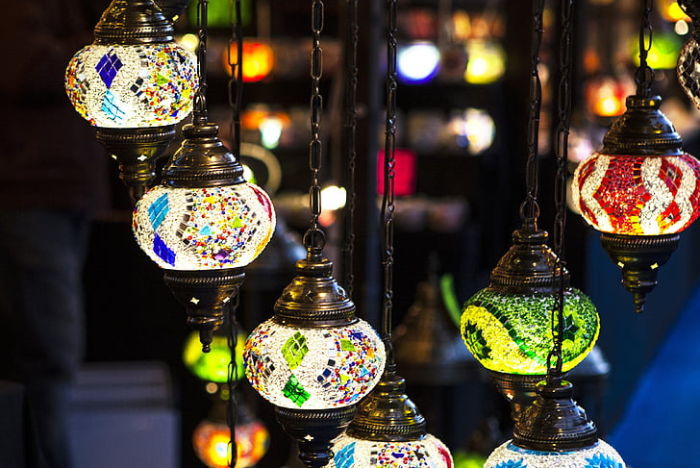
Boldly colored cords combined with unique bulb shapes create a fun, whimsical environment, ideal for children’s rooms or creative studios aiming for an energetic vibe.
Tips for Choosing Hanging Light Cords
- Match the Style with Your Space: Evaluate your room’s interior style before selecting a cord design. Industrial cords suit urban, loft-style spaces while bohemian cords complement cozy, natural interiors.
- Consider Cord Length and Adjustable Features: Measure your ceiling height and decide how low you want the cord to hang. Adjustable cords offer more flexibility.
- Choose the Appropriate Bulb: Bulb type influences both warmth and energy efficiency. Edison bulbs emit vintage warmth; LEDs are long-lasting and eco-friendly.
- Invest in Quality Materials: Select fire-resistant cords and durable sockets to ensure safety and longevity.
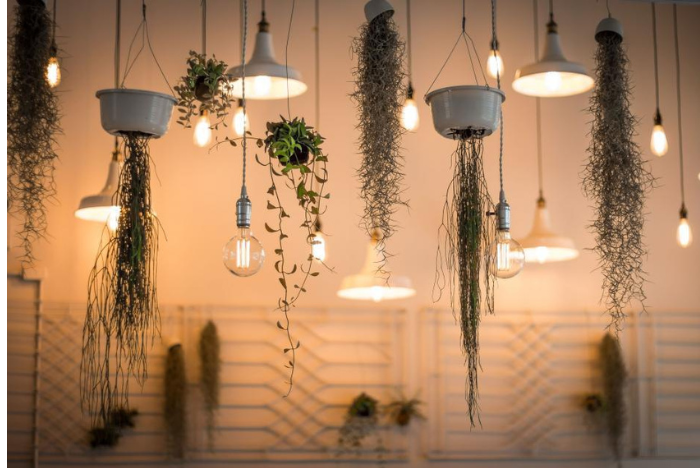
- Create Dramatic Effects with Multiple Cords: Using several cords in clusters can make a striking design statement over dining areas or islands.
Pros and Cons of Hanging Light Cords
Understanding the benefits and drawbacks of hanging light cords helps ensure you make the best choice for your space and lighting needs.
Pros
- Highly Versatile: Adapts well to diverse decor and lighting demands.
- Enhances Aesthetics: Acts as a decorative focal point in any room.
- Easy Installation: Many models support DIY setup, saving costs.
- Height Customization: Adjustable cords allow personalized lighting placement.
- Cost-effective: Generally budget-friendly without sacrificing style.
Cons
- Installation Risks: Incorrect mounting can cause safety concerns.
- Limited Lighting Coverage: May not illuminate large spaces evenly; supplementary lighting might be necessary.
- Regular Maintenance: Cleaning and cord inspections require consistent attention.
- Potential Clutter: Overcrowding with multiple cords can detract from room aesthetics.
- Fragile Components: Some cords and bulbs are delicate and require careful handling.
Creative Placement and Layering Techniques
Beyond style and functionality, how you position and layer hanging light cords can dramatically influence a room’s ambiance. Consider combining different cord lengths at staggered heights to create depth and visual interest, especially over dining tables, kitchen islands, or reading nooks.
Using cords of varying styles or materials within the same space can also add a curated, eclectic look without feeling chaotic. Additionally, strategically placing cords near reflective surfaces, such as mirrors or metallic accents, can amplify light distribution and enhance the room’s brightness.
Maintenance Tips for Hanging Light Cords
Keep your hanging light cords looking and functioning their best with the following care tips:
- Dust the cords and bulbs regularly using a microfiber cloth or gentle duster to prevent buildup.
- Inspect cords periodically for signs of fraying or damage and replace immediately to ensure safety.
- Clean bulbs carefully with a soft, damp cloth to maintain maximum brightness without scratching.
- Tightly secure any loose cords with cable ties or ceiling hooks to avoid tangling or accidents.
- Replace burnt-out or flickering bulbs promptly to maintain consistent lighting quality.
Installation Tips for Hanging Light Cords
- Plan your cord layout by marking positions with painter’s tape or temporary hooks before securing.
- Use sturdy ceiling hooks or adjustable tracks to hang cords securely and at your preferred height.
- If hardwiring is required, hire a licensed electrician to ensure safe and compliant installation.
- Consider swagging the cord by draping it artistically across the ceiling for added design interest.
- Verify the lighting output meets the functional needs of the room before finalizing installation or purchase installation.
Stylish Trends for Hanging Light Cords
- Clustered Arrangements: Grouping multiple cords at varying lengths is a popular trend for creating eye-catching lighting installations in dining rooms and entryways.
- Exposed Edison Bulbs: Vintage-style bulbs continue to be favored for their warm, nostalgic glow.
- Natural Materials: Eco-friendly materials such as jute, hemp, and wood are trending, especially in bohemian and rustic interiors.
- Bold and Bright Colors: Vibrantly colored cords and uniquely shaped bulbs add personality and playfulness.
- Smart Technology Integration: Innovative hanging light cords now feature remote brightness control and color changing via smart home systems.
Conclusion
Hanging light cords are a flexible, stylish, and cost-effective lighting option that can transform any space. With endless design possibilities—from vintage industrial to vibrant modern—they suit virtually every decor style. By weighing their advantages and disadvantages and following proper maintenance and installation practices, you can enhance your interior with both form and function.
Whether your goal is to add warmth to a living room or create a striking focal point in your dining area, hanging light cords offer a timeless lighting solution that’s easy to personalize and maintain. Embrace their potential to brighten your space beautifully for years to come.
For more information How Residential Footer please visit our Home Improvement” category.
FAQs
You can use a variety of bulbs including incandescent, LED, and vintage-style Edison bulbs. Always check the fixture’s specifications for compatible wattage and bulb types to ensure safety and optimal lighting.
Yes, hanging light cords are safe when installed correctly. It’s essential to secure them firmly, use quality materials, and regularly inspect cords for wear to prevent hazards such as electrical faults or falling fixtures.
Regularly dust the cords and bulbs with a microfiber cloth or gentle duster. For bulbs, use a soft, slightly damp cloth to keep them bright and clean. Avoid harsh chemicals that could damage finishes.
Many hanging light cords are designed for easy DIY installation. However, if hardwiring is required or you’re unsure about electrical safety, it’s best to hire a licensed electrician.
To achieve even lighting, consider using multiple hanging cords strategically placed throughout the room or supplement with other lighting sources, such as floor lamps or recessed lights.