
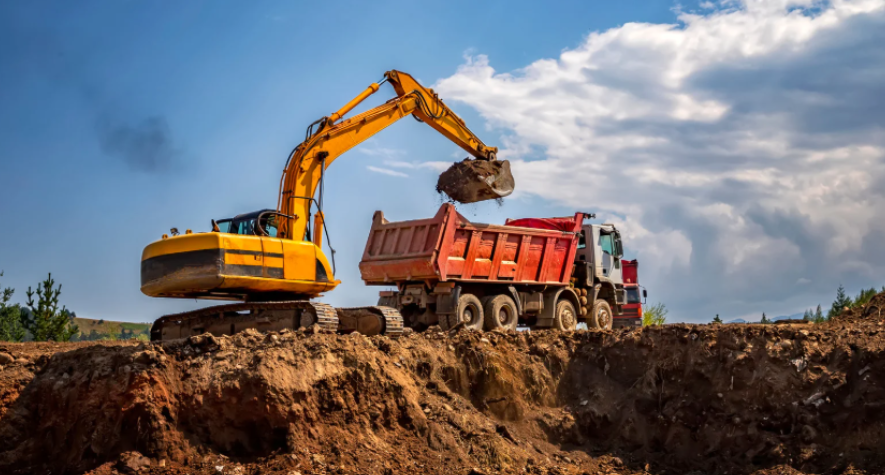
Residential construction begins long before walls and roofs are visible, and one of the most critical early steps is footer excavation. This process directly influences how safe a home is over time. Choosing an experienced excavation contractor in Cleveland ensures that the foundation begins on stable ground and follows proper structural practices. Footer excavation affects how weight is distributed, how soil responds, and how well a home withstands environmental pressure. When done correctly, it becomes a key factor in protecting the safety and longevity of a residence.
Footer excavation involves removing soil to create space for concrete footers that support foundation walls. These footers transfer the weight of the home into the ground in a controlled and balanced way. Because every residential site has unique soil conditions, professional evaluation and precision are essential before excavation begins.
The Role of Footer Excavation in Residential Foundations
Footer excavation provides the base that supports the entire structure of a home. Footers sit below foundation walls and are designed to spread structural loads evenly across the soil. Without proper excavation depth and width, footers cannot perform this role effectively.
Soil strength and moisture levels are carefully considered before excavation begins. Stable soil allows footers to hold firm without shifting or settling. If excavation is rushed or improperly measured, uneven pressure may develop under the foundation, increasing the risk of cracking and structural movement. Properly executed footer excavation ensures that concrete footers cure evenly and bond securely with the surrounding soil. This creates a solid base that keeps foundation walls aligned and stable throughout the life of the home.
How Footer Excavation Contributes to Home Safety
Home safety depends heavily on foundation stability. Footer excavation plays a major role in preventing structural issues that can compromise safety. When footers are placed at the correct depth, they help protect the home from soil movement caused by moisture changes and temperature variation.
Shallow or uneven footers can lead to differential settlement. This occurs when one part of the foundation sinks faster than another. Over time, this may cause visible cracks in walls, uneven flooring, and doors that no longer close properly. These issues can escalate and affect the overall safety of the structure.
Footer excavation also helps protect homes from frost-related movement. By placing footers below the frost depth, foundations are less likely to shift during seasonal freezing and thawing cycles. This added stability supports both structural integrity and occupant safety.
Professional Approach to Residential Footer Excavation
Professional excavation teams follow a detailed process that prioritizes accuracy and safety. The site is evaluated to determine soil composition, load requirements, and drainage considerations. This information guides excavation depth and layout to meet structural needs.
Heavy equipment is used carefully to remove soil without disturbing the surrounding areas that contribute to stability. Precision is essential, as even small measurement errors can impact how footers perform under load. After excavation, inspections are conducted to confirm depth and alignment before concrete is poured. Drainage planning is another important element. Proper water management around footers reduces pressure on foundation walls and minimizes erosion risks. This integrated approach highlights the importance of experienced professionals in residential excavation work.
Long-lasting Benefits of Proper Footer Excavation
Correct footer excavation provides lasting benefits that extend beyond construction. Homes built on stable footers require fewer repairs and experience fewer structural concerns over time. This stability supports property value and reduces safety risks for occupants.
A well-supported foundation allows other building components to perform as intended. Walls remain straight, floors stay level, and structural connections maintain their strength. These factors contribute to a safer living environment and greater peace of mind for homeowners.
Conclusion
Residential footer excavation is a critical factor in ensuring home safety and structural reliability. By creating a stable base that supports foundation walls, this process protects homes from settlement, cracking, and long-term instability. Professional excavation ensures accuracy, proper soil support, and effective load distribution. When footer excavation is done correctly, it lays the groundwork for a safe and durable home that stands strong for years to come.
If you want to know about Why Hybrid Flooring then visit our Home Improvement category.